- 11 minutes 25 secondsSaturday of the Twenty-Ninth Week in Ordinary Time – A Time of Lectio Divina for the Discerning Heart Podcast
 Saturday of the Twenty-Ninth Week in Ordinary Time – A Time of Lectio Divina for the Discerning Heart Podcast
As you begin, take a deep breath and exhale slowly. For at least the next few moments, surrender all the cares and concerns of this day to the Lord.
Say slowly from your heart “Jesus, I Trust In You…You Take Over”
Become aware that He is with you, looking upon you with love, wanting to be heard deep within in your heart…
From the Holy Gospel According to Luke 13:1-9
Some people arrived and told Jesus about the Galileans whose blood Pilate had mingled with that of their sacrifices. At this he said to them, ‘Do you suppose these Galileans who suffered like that were greater sinners than any other Galileans? They were not, I tell you. No; but unless you repent you will all perish as they did. Or those eighteen on whom the tower at Siloam fell and killed them? Do you suppose that they were more guilty than all the other people living in Jerusalem? They were not, I tell you. No; but unless you repent you will all perish as they did.’
He told this parable: ‘A man had a fig tree planted in his vineyard, and he came looking for fruit on it but found none. He said to the man who looked after the vineyard, “Look here, for three years now I have been coming to look for fruit on this fig tree and finding none. Cut it down: why should it be taking up the ground?” “Sir,” the man replied “leave it one more year and give me time to dig round it and manure it: it may bear fruit next year; if not, then you can cut it down.”’What word made this passage come alive for you?
What did you sense the Lord saying to you?
Once more give the Lord an opportunity to speak to you:
Some people arrived and told Jesus about the Galileans whose blood Pilate had mingled with that of their sacrifices. At this he said to them, ‘Do you suppose these Galileans who suffered like that were greater sinners than any other Galileans? They were not, I tell you. No; but unless you repent you will all perish as they did. Or those eighteen on whom the tower at Siloam fell and killed them? Do you suppose that they were more guilty than all the other people living in Jerusalem? They were not, I tell you. No; but unless you repent you will all perish as they did.’
He told this parable: ‘A man had a fig tree planted in his vineyard, and he came looking for fruit on it but found none. He said to the man who looked after the vineyard, “Look here, for three years now I have been coming to look for fruit on this fig tree and finding none. Cut it down: why should it be taking up the ground?” “Sir,” the man replied “leave it one more year and give me time to dig round it and manure it: it may bear fruit next year; if not, then you can cut it down.”’What did your heart feel as you listened?
What did you sense the Lord saying to you?
Once more, through Him, with Him and in Him listen to the Word:
Some people arrived and told Jesus about the Galileans whose blood Pilate had mingled with that of their sacrifices. At this he said to them, ‘Do you suppose these Galileans who suffered like that were greater sinners than any other Galileans? They were not, I tell you. No; but unless you repent you will all perish as they did. Or those eighteen on whom the tower at Siloam fell and killed them? Do you suppose that they were more guilty than all the other people living in Jerusalem? They were not, I tell you. No; but unless you repent you will all perish as they did.’
He told this parable: ‘A man had a fig tree planted in his vineyard, and he came looking for fruit on it but found none. He said to the man who looked after the vineyard, “Look here, for three years now I have been coming to look for fruit on this fig tree and finding none. Cut it down: why should it be taking up the ground?” “Sir,” the man replied “leave it one more year and give me time to dig round it and manure it: it may bear fruit next year; if not, then you can cut it down.”’What touched your heart in this time of prayer?
What did your heart feel as you prayed?
What do you hope to carry with you from this time with the Lord?
Our Father, who art in heaven,
hallowed be thy name.
Thy kingdom come.
Thy will be done on earth, as it is in heaven.
Give us this day our daily bread,
and forgive us our trespasses,
as we forgive those who trespass against us,
and lead us not into temptation,
but deliver us from evil.
Amen
Excerpt from THE JERUSALEM BIBLE, copyright (c) 1966 by Darton, Longman & Todd, Ltd. and Doubleday, a division of Penguin Random House, Inc. Reprinted by Permission.
The post Saturday of the Twenty-Ninth Week in Ordinary Time – A Time of Lectio Divina for the Discerning Heart Podcast appeared first on Discerning Hearts Catholic Podcasts.
24 October 2026, 3:00 am - 31 minutes 51 secondsPOA10 – Know your Armor – The Virtues” – Put On The Armor – A Manual for Spiritual Warfare w/Dr. Paul Thigpen Ph.D. – Discerning Hearts Catholic Podcasts

Episode 9 – Know Your Weapons pt. 4 – A Manual for Spiritual Warfare with Dr. Paul Thigpen, Ph.D
In this episode of Put on the Armor: A Manual for Spiritual Warfare, Kris McGregor and Dr. Paul Thigpen turn to the virtues as the Christian’s interior armor. Dr. Thigpen begins by distinguishing virtue from vice: virtue is a habit of doing good, while vice is a habit of wrongdoing. Using the image of ruts worn into a road, he explains how repeated choices gradually shape the soul, making it easier either to choose what is good or to fall repeatedly into the same weakness. The armor St. Paul describes, then, isn’t simply something placed around us from the outside. Through grace and faithful practice, faith, hope, love, truth, and the other virtues become part of who we are, strengthening the mind, heart, and will against temptation.
The conversation looks closely at faith as both believing what God has revealed and entrusting ourselves to Him, hope as the helmet that protects the mind from discouragement and despair, and love as the breastplate protecting the heart and our ability to choose what is good. Truth guards us against the father of lies, while readiness to share the Gospel gives Christians firm footing as they move through the world. Dr. Thigpen concludes with humility, the soil in which the other virtues grow and one of the strongest protections against spiritual pride. Rather than trying to fight alone, Christians are called to recognize their weakness, depend upon God, receive the graces of the sacraments, and allow trusted people to speak truth into their lives.
A SPECIAL NOTE: We mourn the death of Dr. Paul Thigpen on February 24, 2026. He was a good friend, supporter, and contributor to Discerning Hearts. We will miss him deeply and will continue to share his ministry with gratitude and prayer.
Dr. Thigpen offers insights on the Manual for Spiritual Warfare Chapter 5:
Prayer and fasting, worship and adoration, Scripture and sacraments and sacramentals all provide the weapons of our spiritual warfare. With them we go on the offensive against the Evil One. But the virtues provide our defensive armor.
As Blessed Pope Paul VI once observed, St. Paul “used the armor of a soldier as a symbol for the virtues that can make a Christian invulnerable.” They are our best defense against his attacks, for they guard our minds and hearts from his deceptions and temptations. A lapse in virtue is in fact a chink in our armor that makes us vulnerable.
Each of these virtues, then, and all the others as well, play a vital role in protecting us from enemy assault as the armor we must wear. St. Paul sums it up: “Put on, therefore, as God’s chosen ones, holy and beloved, a heart of mercy, kindness, humility, meekness, patience. Bear with one another, if anyone has a grievance against any other; even as the Lord has forgiven you, so also you must forgive. But above all these things have charity, which is the bond of perfection” (Col 3: 12– 14). Only with such armor will we be fully covered and protected from the Evil One’s attacks.
Discerning Hearts questions for reflection
- How does this episode help clarify the difference between a sacramental and something superstitious or magical?
- Why is holy water so closely connected to baptism and spiritual warfare?
- What stood out to you in St. Teresa of Avila’s testimony about holy water?
- How can sacramentals help create a culture of holiness in a Catholic home?
- Why is faith and interior disposition so important when using blessed objects?
- What did you learn about the spiritual meaning of the St. Benedict Medal?
- How does the rosary become more than simply a set of beads in the life of prayer?
- In what ways can blessed crucifixes, medals, holy water, and other sacramentals serve as reminders to turn back to God?
- Which sacramental has been most meaningful in your own spiritual life, and why?
Visit here for other episodes in this series:
Put On The Armor – A Manual for Spiritual Warfare w/Dr. Paul Thigpen, Ph.D.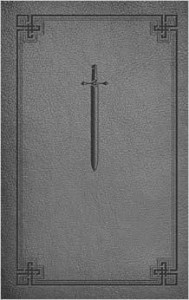 The “Manual for Spiritual Warfare” can be found here
Paul Thigpen, Ph.D., was the Editor of TAN Books in Charlotte, North Carolina. An internationally known speaker, best-selling author, and award-winning journalist, Paul published forty-three books in a wide variety of genres and subjects: history and biography, spirituality and apologetics, anthologies and devotionals, family life and children’s books, study guides and reference works, and fiction and collections of poetry and prayers.
Paul graduated from Yale University in 1977, summa cum laude, with Distinction in Religious Studies and membership in Phi Beta Kappa. He was later awarded the George W. Woodruff Fellowship at Emory University in Atlanta, where he earned an M.A. (1993) and a Ph.D. (1995) in Historical Theology. In 1993, he was named a Jacob K. Javits Fellow by the U.S. Department of Education. He has served on the faculty of several universities and colleges.
In 2008, Paul was appointed to the United States Conference of Catholic Bishops’ National Advisory Council for a four-year term. He served the Church as a theologian, historian, apologist, evangelist, and catechist in a number of settings, speaking frequently in Catholic and secular media broadcasts and at conferences, seminars, parish missions, and scholarly gatherings.
The post POA10 – Know your Armor – The Virtues” – Put On The Armor – A Manual for Spiritual Warfare w/Dr. Paul Thigpen Ph.D. – Discerning Hearts Catholic Podcasts appeared first on Discerning Hearts Catholic Podcasts.
23 October 2026, 4:53 pm - 9 minutes 44 secondsFriday of the Twenty-Ninth Week in Ordinary Time – A Time of Lectio Divina for the Discerning Heart Podcast
 Friday of the Twenty-Ninth Week in Ordinary Time – A Time of Lectio Divina for the Discerning Heart Podcast
As you begin, take a deep breath and exhale slowly. For at least the next few moments, surrender all the cares and concerns of this day to the Lord.
Say slowly from your heart “Jesus, I Trust In You…You Take Over”
Become aware that He is with you, looking upon you with love, wanting to be heard deep within in your heart…
From the Holy Gospel According to St. Luke 12:54-59
Jesus said to the crowds: ‘When you see a cloud looming up in the west you say at once that rain is coming, and so it does. And when the wind is from the south you say it will be hot, and it is. Hypocrites! You know how to interpret the face of the earth and the sky. How is it you do not know how to interpret these times?
‘Why not judge for yourselves what is right? For example: when you go to court with your opponent, try to settle with him on the way, or he may drag you before the judge and the judge hand you over to the bailiff and the bailiff have you thrown into prison. I tell you, you will not get out till you have paid the very last penny.’What word made this passage come alive for you?
What did you sense the Lord saying to you?
Once more give the Lord an opportunity to speak to you:
Jesus said to the crowds: ‘When you see a cloud looming up in the west you say at once that rain is coming, and so it does. And when the wind is from the south you say it will be hot, and it is. Hypocrites! You know how to interpret the face of the earth and the sky. How is it you do not know how to interpret these times?
‘Why not judge for yourselves what is right? For example: when you go to court with your opponent, try to settle with him on the way, or he may drag you before the judge and the judge hand you over to the bailiff and the bailiff have you thrown into prison. I tell you, you will not get out till you have paid the very last penny.’What did your heart feel as you listened?
What did you sense the Lord saying to you?
Once more, through Him, with Him and in Him listen to the Word:
Jesus said to the crowds: ‘When you see a cloud looming up in the west you say at once that rain is coming, and so it does. And when the wind is from the south you say it will be hot, and it is. Hypocrites! You know how to interpret the face of the earth and the sky. How is it you do not know how to interpret these times?
‘Why not judge for yourselves what is right? For example: when you go to court with your opponent, try to settle with him on the way, or he may drag you before the judge and the judge hand you over to the bailiff and the bailiff have you thrown into prison. I tell you, you will not get out till you have paid the very last penny.’What touched your heart in this time of prayer?
What did your heart feel as you prayed?
What do you hope to carry with you from this time with the Lord?
Our Father, who art in heaven,
hallowed be thy name.
Thy kingdom come.
Thy will be done on earth, as it is in heaven.
Give us this day our daily bread,
and forgive us our trespasses,
as we forgive those who trespass against us,
and lead us not into temptation,
but deliver us from evil.
Amen
Excerpt from THE JERUSALEM BIBLE, copyright (c) 1966 by Darton, Longman & Todd, Ltd. and Doubleday, a division of Penguin Random House, Inc. Reprinted by Permission.
The post Friday of the Twenty-Ninth Week in Ordinary Time – A Time of Lectio Divina for the Discerning Heart Podcast appeared first on Discerning Hearts Catholic Podcasts.
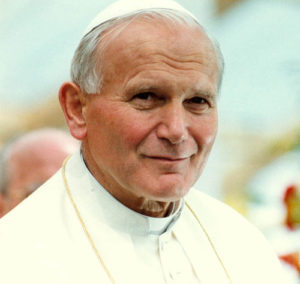
23 October 2026, 3:00 am - 26 minutes 40 secondsThe Prayer of St. John Paul II – Beginning to Pray with Dr. Anthony Lilles – Discerning Hearts Podcast
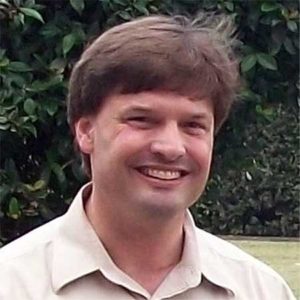
The Prayer of St. John Paul II – Beginning to Pray with Dr. Anthony Lilles
Dr. Anthony Lilles and Kris McGregor reflect on the spiritual legacy of St. John Paul II. St. John Paul II’s profound theology of love, which he articulated during a 1976 retreat, tells us that love is the essence of creation and theology. Dr. Lilles recounts a personal encounter with John Paul II, noting his remarkable ability to connect deeply with individuals, even in a crowd. The pope’s openness and vulnerability, which manifested in his global travels and personal interactions, demonstrated his commitment to love and encounter.
His mysticism was not just theoretical but rooted in lived experience, shaping his understanding of the cosmos as centered on divine love.
St. John Paul II’s example for modern times offers hope and encouragement amidst struggles. His life serves as a reminder that God’s mercy is greater than any evil, and his continued intercession from heaven inspires believers to persevere in faith and love.
Discerning Hearts Reflection Questions
- How do I see the structure of love manifesting in my relationship with God and others?
- In what ways can I make myself more open and vulnerable in my relationships to better reflect Christ’s love?
- How can I incorporate more intentional moments of prayer in my daily routine, following the example of St. John Paul II?
- What are the sources of discouragement in my life, and how can I cultivate greater confidence in God’s love and mercy to overcome them?
- How can I deepen my relationship with the saints, especially St. John Paul II and St. John XXIII, to guide and inspire my spiritual journey?
- How am I called to actively share God’s love with others, ensuring that it is not only felt but expressed in my life?
- How can I embody the same vulnerability that St. John Paul II showed, particularly in my encounters with those in need of hope and love?
For other episodes in the series visit the Discerning Hearts page for Dr. Anthony Lilles
Anthony Lilles, S.T.D., has served the Church and assisted in the formation of clergy and seminarians since 1994. Before coming to St. Patrick’s, he served at seminaries and houses of formation in the Archdiocese of Denver and the Archdiocese of Los Angeles. The son of a California farmer, married with young adult children, holds a B.A. in theology from the Franciscan University of Steubenville with both the ecclesiastical licentiate and doctorate in spiritual theology from the Pontifical University of Saint Thomas Aquinas in Rome (the Angelicum). An expert in the writings of St. Elizabeth of the Trinity and the Carmelite Doctors of the Church, he co-founded the Avila Institute for Spiritual Formation and the High Calling Program for priestly vocations. He also founded the John Paul II Center for Contemplative Culture, which hosts symposiums, retreats, and conferences. In addition to his publications, he blogs at www.beginningtopray.com .
The post The Prayer of St. John Paul II – Beginning to Pray with Dr. Anthony Lilles – Discerning Hearts Podcast appeared first on Discerning Hearts Catholic Podcasts.
22 October 2026, 7:49 am - 9 minutes 43 secondsThursday of the Twenty-Ninth Week in Ordinary Time – A Time of Lectio Divina for the Discerning Heart Podcast
 Thursday of the Twenty-Ninth Week in Ordinary Time – A Time of Lectio Divina for the Discerning Heart Podcast
As you begin, take a deep breath and exhale slowly. For at least the next few moments, surrender all the cares and concerns of this day to the Lord.
Say slowly from your heart “Jesus, I Trust In You…You Take Over”
Become aware that He is with you, looking upon you with love, wanting to be heard deep within in your heart…
From the Holy Gospel According to St. Luke 12:49-53
Jesus said to his disciples: ‘I have come to bring fire to the earth, and how I wish it were blazing already! There is a baptism I must still receive, and how great is my distress till it is over!
‘Do you suppose that I am here to bring peace on earth? No, I tell you, but rather division. For from now on a household of five will be divided: three against two and two against three; the father divided against the son, son against father, mother against daughter, daughter against mother, mother-in-law against daughter-in-law, daughter-in-law against mother-in-law.’What word made this passage come alive for you?
What did you sense the Lord saying to you?
Once more give the Lord an opportunity to speak to you:
Jesus said to his disciples: ‘I have come to bring fire to the earth, and how I wish it were blazing already! There is a baptism I must still receive, and how great is my distress till it is over!
‘Do you suppose that I am here to bring peace on earth? No, I tell you, but rather division. For from now on a household of five will be divided: three against two and two against three; the father divided against the son, son against father, mother against daughter, daughter against mother, mother-in-law against daughter-in-law, daughter-in-law against mother-in-law.’What did your heart feel as you listened?
What did you sense the Lord saying to you?
Once more, through Him, with Him and in Him listen to the Word:
Jesus said to his disciples: ‘I have come to bring fire to the earth, and how I wish it were blazing already! There is a baptism I must still receive, and how great is my distress till it is over!
‘Do you suppose that I am here to bring peace on earth? No, I tell you, but rather division. For from now on a household of five will be divided: three against two and two against three; the father divided against the son, son against father, mother against daughter, daughter against mother, mother-in-law against daughter-in-law, daughter-in-law against mother-in-law.’What touched your heart in this time of prayer?
What did your heart feel as you prayed?
What do you hope to carry with you from this time with the Lord?
Our Father, who art in heaven,
hallowed be thy name.
Thy kingdom come.
Thy will be done on earth, as it is in heaven.
Give us this day our daily bread,
and forgive us our trespasses,
as we forgive those who trespass against us,
and lead us not into temptation,
but deliver us from evil.
Amen
Excerpt from THE JERUSALEM BIBLE, copyright (c) 1966 by Darton, Longman & Todd, Ltd. and Doubleday, a division of Penguin Random House, Inc. Reprinted by Permission.
The post Thursday of the Twenty-Ninth Week in Ordinary Time – A Time of Lectio Divina for the Discerning Heart Podcast appeared first on Discerning Hearts Catholic Podcasts.
22 October 2026, 3:00 am - 28 minutes 52 secondsGod Calls Man First -Communion with Christ: Practical Prayer with Deacon James Keating – Discerning Hearts Podcast

Episode 1: God Calls Man First -Communion with Christ: Practical Prayer with Deacon James Keating
Deacon James Keating joins Kris McGregor to explore the Church’s teaching on prayer through the Catechism of the Catholic Church, beginning with the profound truth that God desires communion with each person. Prayer is not simply a human search for meaning but a response to God’s loving presence and His continual invitation to relationship. Drawing from the Old Testament and the experiences of Abraham, Moses, Elijah, and the prophets, Deacon Keating reveals how salvation history unfolds through God’s initiative and humanity’s response. He considers the obstacles that keep us from encountering God, including distraction, materialism, fear of change, and the temptation to believe that God has abandoned us in suffering. The Psalms and the prayers of the prophets offer a way to enter more deeply into this ongoing relationship, allowing Scripture to become a living encounter with the God who continues to speak and act.
Deacon Keating also explores the prophetic dimension of Christian prayer, explaining that genuine faith recognizes God’s active presence in the world and remains open to His transforming grace. Through humility, obedience, and a conscience formed by Scripture and the teachings of the Church, Christians grow in their ability to discern God’s voice. The fullness of prayer is revealed in Jesus Christ, the Word made flesh, who draws humanity into communion with the Father through the Holy Spirit. This intimacy finds a particularly profound expression in the Eucharist, where personal prayer and the communal worship of the Church meet. Deacon Keating offers a simple prayer following Holy Communion, “Jesus, take me to the Father,” as an invitation to surrender our thoughts, desires, and will to Christ. Through this surrender, prayer becomes a transforming encounter in which Christ’s love increasingly shapes our lives, bringing freedom, hope, and lasting joy.
From the Catechism of the Catholic Church paragraph 2567
“God calls man first. Man may forget his Creator or hide far from his face; he may run after idols or accuse the deity of having abandoned him; yet the living and true God tirelessly calls each person to that mysterious encounter known as prayer. In prayer, the faithful God’s initiative of love always comes first; our own first step is always a response. As God gradually reveals himself and reveals man to himself, prayer appears as a reciprocal call, a covenant drama. Through words and actions, this drama engages the heart. It unfolds throughout the whole history of salvation.”
Check out Deacon Keating’s “Discerning Hearts” page
You can find the book here.
Discerning Hearts Questions for Reflection and Study
Personal Reflection
- Do I truly believe that God desires a personal relationship with me, even more than I desire Him?
- What distractions or attachments in my daily life prevent me from responding to God’s invitation to prayer?
- When have I experienced God’s presence during a time of suffering, loneliness, or uncertainty?
- How might I incorporate the Psalms or the prayers of the Old Testament into my daily prayer life?
- Do I approach prayer with the faith that God is living, present, and actively working in my life?
- How willing am I to allow God to transform my heart, even when that transformation requires change or sacrifice?
- How can I become more attentive to Christ’s presence within me after receiving Holy Communion?
- What would it mean for me to pray, “Jesus, take me to the Father,” with complete trust and surrender?
- In what areas of my life am I still holding on to my own will rather than allowing Christ’s will to guide me?
- How is God inviting me to become a more faithful witness to His love through prayer, humility, and obedience?
Group Reflection or Study
- How does understanding prayer as a response to God’s initiative change the way we approach our relationship with Him?
- What can the experiences of Abraham, Moses, and Elijah teach us about listening to God and responding to His call?
- How do modern distractions and attachments interfere with our ability to recognize God’s presence?
- In what ways can the Psalms help us understand the relationship between personal prayer and communal worship?
- What does it mean to have a prophetic awareness that God continues to act in our world today?
- How do Scripture, the teachings of the Church, and participation in the liturgy help us discern God’s voice?
- Why does Deacon Keating describe the Eucharist as the place where personal prayer reaches its deepest fulfillment?
- How can surrendering our thoughts, desires, and will to Christ lead to greater spiritual freedom?
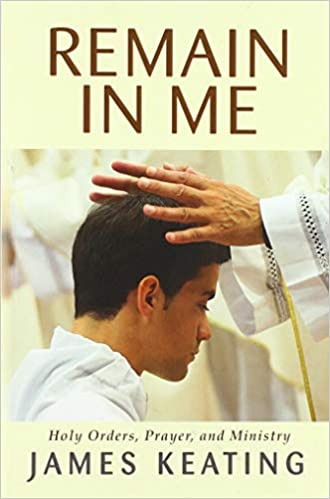 From the book description:
The book addresses their mutual dedication to remain with Christ in prayer even in the service of parishioners. Once prayer finds a place in the heart, compassion grows for those who look for God “like sheep without a shepherd.” Through interior prayerfulness, clerical unity in ministry can be better ensured Remain in Me is for priests and deacons to use as prayer, on retreat, or during the holy seasons of Lent and Advent.
Deacon James Keating, Ph.D., is a professor of Spiritual Theology and serves as a spiritual director at Kenrick Glennon Seminary in St. Louis, MO.
The post God Calls Man First -Communion with Christ: Practical Prayer with Deacon James Keating – Discerning Hearts Podcast appeared first on Discerning Hearts Catholic Podcasts.
21 October 2026, 7:41 pm - 12 minutes 50 secondsWednesday of the Twenty-Ninth Week in Ordinary Time – A Time of Lectio Divina for the Discerning Heart Podcast
 Wednesday of the Twenty-Ninth Week in Ordinary Time – A Time of Lectio Divina for the Discerning Heart Podcast
As you begin, take a deep breath and exhale slowly. For at least the next few moments, surrender all the cares and concerns of this day to the Lord.
Say slowly from your heart “Jesus, I Trust In You…You Take Over”
Become aware that He is with you, looking upon you with love, wanting to be heard deep within in your heart…
From the Holy Gospel According to St. Luke 12:39-48
Jesus said to his disciples:
‘You may be quite sure of this, that if the householder had known at what hour the burglar would come, he would not have let anyone break through the wall of his house. You too must stand ready, because the Son of Man is coming at an hour you do not expect.’
Peter said, ‘Lord, do you mean this parable for us, or for everyone?’ The Lord replied, ‘What sort of steward, then, is faithful and wise enough for the master to place him over his household to give them their allowance of food at the proper time? Happy that servant if his master’s arrival finds him at this employment. I tell you truly, he will place him over everything he owns. But as for the servant who says to himself, “My master is taking his time coming,” and sets about beating the menservants and the maids, and eating and drinking and getting drunk, his master will come on a day he does not expect and at an hour he does not know. The master will cut him off and send him to the same fate as the unfaithful.
The servant who knows what his master wants, but has not even started to carry out those wishes, will receive very many strokes of the lash. The one who did not know, but deserves to be beaten for what he has done, will receive fewer strokes. When a man has had a great deal given him, a great deal will be demanded of him; when a man has had a great deal given him on trust, even more will be expected of him.’What word made this passage come alive for you?
What did you sense the Lord saying to you?
Once more give the Lord an opportunity to speak to you:
Jesus said to his disciples:
‘You may be quite sure of this, that if the householder had known at what hour the burglar would come, he would not have let anyone break through the wall of his house. You too must stand ready, because the Son of Man is coming at an hour you do not expect.’
Peter said, ‘Lord, do you mean this parable for us, or for everyone?’ The Lord replied, ‘What sort of steward, then, is faithful and wise enough for the master to place him over his household to give them their allowance of food at the proper time? Happy that servant if his master’s arrival finds him at this employment. I tell you truly, he will place him over everything he owns. But as for the servant who says to himself, “My master is taking his time coming,” and sets about beating the menservants and the maids, and eating and drinking and getting drunk, his master will come on a day he does not expect and at an hour he does not know. The master will cut him off and send him to the same fate as the unfaithful.
The servant who knows what his master wants, but has not even started to carry out those wishes, will receive very many strokes of the lash. The one who did not know, but deserves to be beaten for what he has done, will receive fewer strokes. When a man has had a great deal given him, a great deal will be demanded of him; when a man has had a great deal given him on trust, even more will be expected of him.’What did your heart feel as you listened?
What did you sense the Lord saying to you?
Once more, through Him, with Him and in Him listen to the Word:
Jesus said to his disciples:
‘You may be quite sure of this, that if the householder had known at what hour the burglar would come, he would not have let anyone break through the wall of his house. You too must stand ready, because the Son of Man is coming at an hour you do not expect.’
Peter said, ‘Lord, do you mean this parable for us, or for everyone?’ The Lord replied, ‘What sort of steward, then, is faithful and wise enough for the master to place him over his household to give them their allowance of food at the proper time? Happy that servant if his master’s arrival finds him at this employment. I tell you truly, he will place him over everything he owns. But as for the servant who says to himself, “My master is taking his time coming,” and sets about beating the menservants and the maids, and eating and drinking and getting drunk, his master will come on a day he does not expect and at an hour he does not know. The master will cut him off and send him to the same fate as the unfaithful.
The servant who knows what his master wants, but has not even started to carry out those wishes, will receive very many strokes of the lash. The one who did not know, but deserves to be beaten for what he has done, will receive fewer strokes. When a man has had a great deal given him, a great deal will be demanded of him; when a man has had a great deal given him on trust, even more will be expected of him.’What touched your heart in this time of prayer?
What did your heart feel as you prayed?
What do you hope to carry with you from this time with the Lord?
Our Father, who art in heaven,
hallowed be thy name.
Thy kingdom come.
Thy will be done on earth, as it is in heaven.
Give us this day our daily bread,
and forgive us our trespasses,
as we forgive those who trespass against us,
and lead us not into temptation,
but deliver us from evil.
Amen
Excerpt from THE JERUSALEM BIBLE, copyright (c) 1966 by Darton, Longman & Todd, Ltd. and Doubleday, a division of Penguin Random House, Inc. Reprinted by Permission.
The post Wednesday of the Twenty-Ninth Week in Ordinary Time – A Time of Lectio Divina for the Discerning Heart Podcast appeared first on Discerning Hearts Catholic Podcasts.
21 October 2026, 6:00 am - 2 minutes 17 secondsDay 9 – A Novena to St. John Paul II – Discerning Hearts Podcast
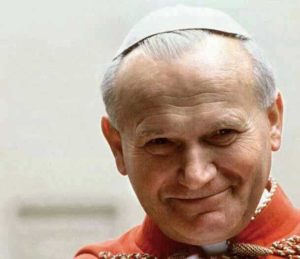
A Novena to St. John Paul II – Day Nine
Reflection by Saint John Paul II:
“The pilgrim Church on earth lifts its gaze to Heaven and exultantly joins the choir of those with whom God shares his glory. It is the communion of saints!”
Prayer for the Intercession of St. John Paul II
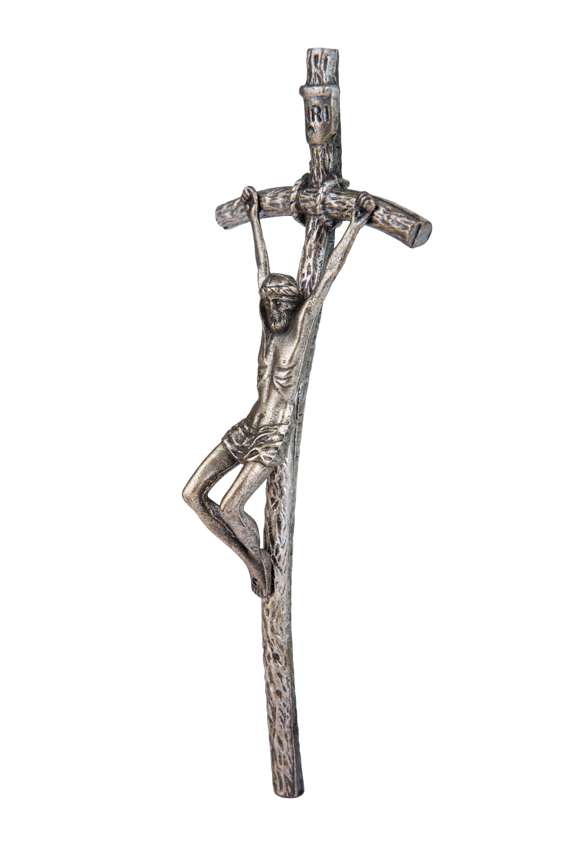
O Blessed Trinity, we thank you
for having graced the Church with
Saint John Paul II and for allowing
the tenderness of your fatherly care,
the glory of the Cross of Christ
and the splendor of the Spirit of love
to shine through him.
Trusting fully in your infinite mercy
and in the maternal intercession of Mary,
he has given us a living image of
Jesus the Good Shepherd.
He has shown us that holiness
is the necessary measure of ordinary
Christian life and is the way of
achieving eternal communion with you.
Grant us, by his intercession,
and according to your will,
the graces we implore,
through Christ our Lord. Amen.A Prayer composed by St. John Paul II
Jesus said…”Abide in Me, and I in you…for apart from Me you can do nothing.”
I leave you now with this prayer: that the Lord Jesus will reveal Himself to each one of you, that He will give you the strength to go out and profess that you are Christian, that He will show you that He alone can fill your hearts. Accept His freedom and embrace His truth, and be messengers of the certainty that you have been truly liberated through the death and resurrection of the Lord Jesus. This will be the new experience, the powerful experience, that will generate, through you, a more just society and a better world.
God bless you and may the joy of Jesus be always with you!
[L’Osservatore Romano, 11-5-79, 2]
St. John Paul II, pray for us. Amen
For the full 9-day Novena to St. John Paul II with Mp3 audio and text visit here
The post Day 9 – A Novena to St. John Paul II – Discerning Hearts Podcast appeared first on Discerning Hearts Catholic Podcasts.
21 October 2026, 6:00 am - 2 minutes 17 secondsDay 8 – A Novena to St. John Paul II – Discerning Hearts Podcast
A Novena to St. John Paul II – Day Eight
Reflection by Saint John Paul II:
“Thus the great gift of redemption – our being ‘brought forth’ to divine life – is a mighty work of God, the Father, Son and Holy Spirit. It must be received by us in faith. It must be lived. It must be proclaimed.”
Prayer for the Intercession of St. John Paul II
O Blessed Trinity, we thank you
for having graced the Church with
Saint John Paul II and for allowing
the tenderness of your fatherly care,
the glory of the Cross of Christ
and the splendor of the Spirit of love
to shine through him.
Trusting fully in your infinite mercy
and in the maternal intercession of Mary,
he has given us a living image of
Jesus the Good Shepherd.
He has shown us that holiness
is the necessary measure of ordinary
Christian life and is the way of
achieving eternal communion with you.
Grant us, by his intercession,
and according to your will,
the graces we implore,
through Christ our Lord. Amen.A Prayer composed by St. John Paul II
Thanksgiving for the Eucharist
For our paschal lamb, Christ, has been sacrificed. Therefore let us celebrate the feast!
O Christ the Savior, we give You thanks for Your redeeming sacrifice, the only hope of men!
O Christ the Savior, we give You thanks for the eucharistic breaking of bread, which You instituted in order to really meet Your brothers, in the course of the centuries!
Christ the Savior, put into the hearts of the baptized the desire to offer themselves with You and to commit themselves for the salvation of their brothers!
You who are really present in the Blessed Sacrament, spread Your blessings abundantly on Your people…Amen.
[L’Osservatore Romano, 7-27-81, 2]
St. John Paul II, pray for us. Amen
For the full 9-day Novena to St. John Paul II with Mp3 audio and text visit here
The post Day 8 – A Novena to St. John Paul II – Discerning Hearts Podcast appeared first on Discerning Hearts Catholic Podcasts.
20 October 2026, 6:00 am - 8 minutes 4 secondsTuesday of the Twenty-Ninth Week in Ordinary Time – A Time of Lectio Divina for the Discerning Heart Podcast
 Tuesday of the Twenty-Ninth Week in Ordinary Time – A Time of Lectio Divina for the Discerning Heart Podcast
As you begin, take a deep breath and exhale slowly. For at least the next few moments, surrender all the cares and concerns of this day to the Lord.
Say slowly from your heart “Jesus, I Trust In You…You Take Over”
Become aware that He is with you, looking upon you with love, wanting to be heard deep within in your heart…
From the Holy Gospel According to St. Luke 12:35-38
Jesus said to his disciples:
‘See that you are dressed for action and have your lamps lit. Be like men waiting for their master to return from the wedding feast, ready to open the door as soon as he comes and knocks. Happy those servants whom the master finds awake when he comes. I tell you solemnly, he will put on an apron, sit them down at table and wait on them. It may be in the second watch he comes, or in the third, but happy those servants if he finds them ready.’What word made this passage come alive for you?
What did you sense the Lord saying to you?
Once more give the Lord an opportunity to speak to you:
Jesus said to his disciples:
‘See that you are dressed for action and have your lamps lit. Be like men waiting for their master to return from the wedding feast, ready to open the door as soon as he comes and knocks. Happy those servants whom the master finds awake when he comes. I tell you solemnly, he will put on an apron, sit them down at table and wait on them. It may be in the second watch he comes, or in the third, but happy those servants if he finds them ready.’What did your heart feel as you listened?
What did you sense the Lord saying to you?
Once more, through Him, with Him and in Him listen to the Word:
Jesus said to his disciples:
‘See that you are dressed for action and have your lamps lit. Be like men waiting for their master to return from the wedding feast, ready to open the door as soon as he comes and knocks. Happy those servants whom the master finds awake when he comes. I tell you solemnly, he will put on an apron, sit them down at table and wait on them. It may be in the second watch he comes, or in the third, but happy those servants if he finds them ready.’What touched your heart in this time of prayer?
What did your heart feel as you prayed?
What do you hope to carry with you from this time with the Lord?
Our Father, who art in heaven,
hallowed be thy name.
Thy kingdom come.
Thy will be done on earth, as it is in heaven.
Give us this day our daily bread,
and forgive us our trespasses,
as we forgive those who trespass against us,
and lead us not into temptation,
but deliver us from evil.
Amen
Excerpt from THE JERUSALEM BIBLE, copyright (c) 1966 by Darton, Longman & Todd, Ltd. and Doubleday, a division of Penguin Random House, Inc. Reprinted by Permission.
The post Tuesday of the Twenty-Ninth Week in Ordinary Time – A Time of Lectio Divina for the Discerning Heart Podcast appeared first on Discerning Hearts Catholic Podcasts.
20 October 2026, 3:00 am - 27 minutes 25 secondsIntroduction to Rules 3 to 8 – The Second Week Rules for the Discernment of Spirits w/ Fr. Timothy Gallagher – Discerning Hearts Podcast
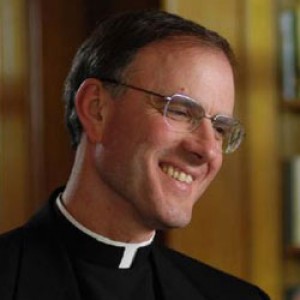
Episode 6 – Introduction to Rules 3 to 8 – The Second Week Rules for the Discernment of Spirits: An Ignatian Guide to a Greater Discernment of Spirits with Fr. Timothy Gallagher
Fr. Gallagher offers an introduction to Rules 3 through 8 which primarily addresses the most common question in second mode discernment, “What about spiritual consolation with preceding cause?”
Third Rule
The third: with cause both the good angel and the bad can console the soul, for contrary ends: the good angel for the profit of the soul, that it may grow and rise from good to better; and the bad angel for the contrary, and later on to draw it to his damnable intention and malice. (331)
Fourth Rule
The fourth: It is proper to the bad angel, who takes on the appearance of an angel of light, to enter with the devout soul and to go out with himself; that is, to bring good and holy thoughts, conformed to such a just soul, and afterwards, little by little, he endeavors to go out, bringing the soul to his hidden deceits and perverse intentions. (332)
Fifth Rule
The fifth: We should give much attention to the course of the thoughts; and if the beginning, middle and end is all good, inclined to all good, it is a sign of the good angel; but if in the course of the thoughts that he brings, it ends in something bad, or distractive, or less good than the soul had proposed to do before, or if it weakens it, or disquiets, or troubles the soul, taking away the peace, tranquility and quiet, which it had before, it is a clear sign that it proceeds from the bad spirit, the enemy of our profit and eternal salvation. (333)
Through a series of compelling conference talks, Fr. Gallagher carefully breaks open St. Ignatius of Loyola’s Second Week Rules for Greater Discernment. This set of 8 “rules” (or guidelines) helps us to discern whether a seemingly good, noble, holy idea or feeling, often understood as a “spiritual consolation,” could be a working of the enemy intending to lead us astray. He shows how all of us can learn to listen to and follow God’s gentle leading in our daily lives.
For other episodes in this series visit: The Second Week Rules for the Discernment Spirits with Fr. Timothy Gallagher – DH Page
Discerning Hearts Questions for Reflection and Study
Personal Reflection
- Have you ever experienced spiritual consolation connected with a good decision or possibility and assumed that the consolation settled the question?
- What helps you recognize the difference between consolation without preceding cause and consolation arising through prayer, Scripture, or another spiritual object?
- When considering an important decision, do you look carefully at where a spiritual movement is likely to lead over time?
- What can Élisabeth Leseur’s experience teach you about consolation that strengthens a person in love, vocation, and service?
- Have you experienced something that seemed spiritually good at first but eventually began to weaken your prayer, responsibilities, or freedom?
Group Reflection or Study
- Why is consolation with preceding cause more difficult to discern than consolation without preceding cause?
- What makes Kathy’s possible move to the inner-city school a genuine Second Week discernment?
- What is the key difference between Élisabeth Leseur’s consolation and St. Ignatius’s consolations at Manresa?
- What does St. Ignatius mean when he teaches that both the good angel and the bad can console the soul “with cause”?
- Why does Rule Three require us to examine where consolation leads rather than judging only by how spiritually good the experience feels?
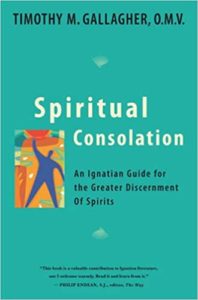 This series is based on Spiritual Consolation by Fr. Timothy Gallagher
You can find the book here
Also, here are the 2 handouts mentioned by Fr. Gallagher in Talk 2:
Guidance for a Greater Discernment of Spirits with Fr. Timothy Gallagher O.M.V.
For the PDF document:
Handout Number 1 – The Text of the 8 Rules of the Second Week
https://www.discerninghearts.com/Gallagher/The_Text_of_the_Rules.pdfHandout Number 2 – Examples – Discernment of Spirits – 2nd Week rules
https://www.discerninghearts.com/Gallagher/EXAMPLES-DISCERNMENT_OF_SPIRITS-SECOND_WEEK_RULES.pdfFor more from Fr. Gallagher on Discerning Hearts:
The Discernment of Spirits: The First Week Rules /w Fr. Timothy Gallagher, OMV
The Daily Prayer of Discernment: The Examen Prayer with Fr. Timothy Gallagher
The Discernment of God’s Will in Everyday Decisions with Fr. Timothy Gallager
The post Introduction to Rules 3 to 8 – The Second Week Rules for the Discernment of Spirits w/ Fr. Timothy Gallagher – Discerning Hearts Podcast appeared first on Discerning Hearts Catholic Podcasts.
19 October 2026, 7:02 pm - More Episodes? Get the App