- 17 minutes 42 secondsEchoes Podcast- Pete Roth & Bill Bruford
Pete Roth and Bill Bruford - Fusion Ignited: The Echoes Podcast.
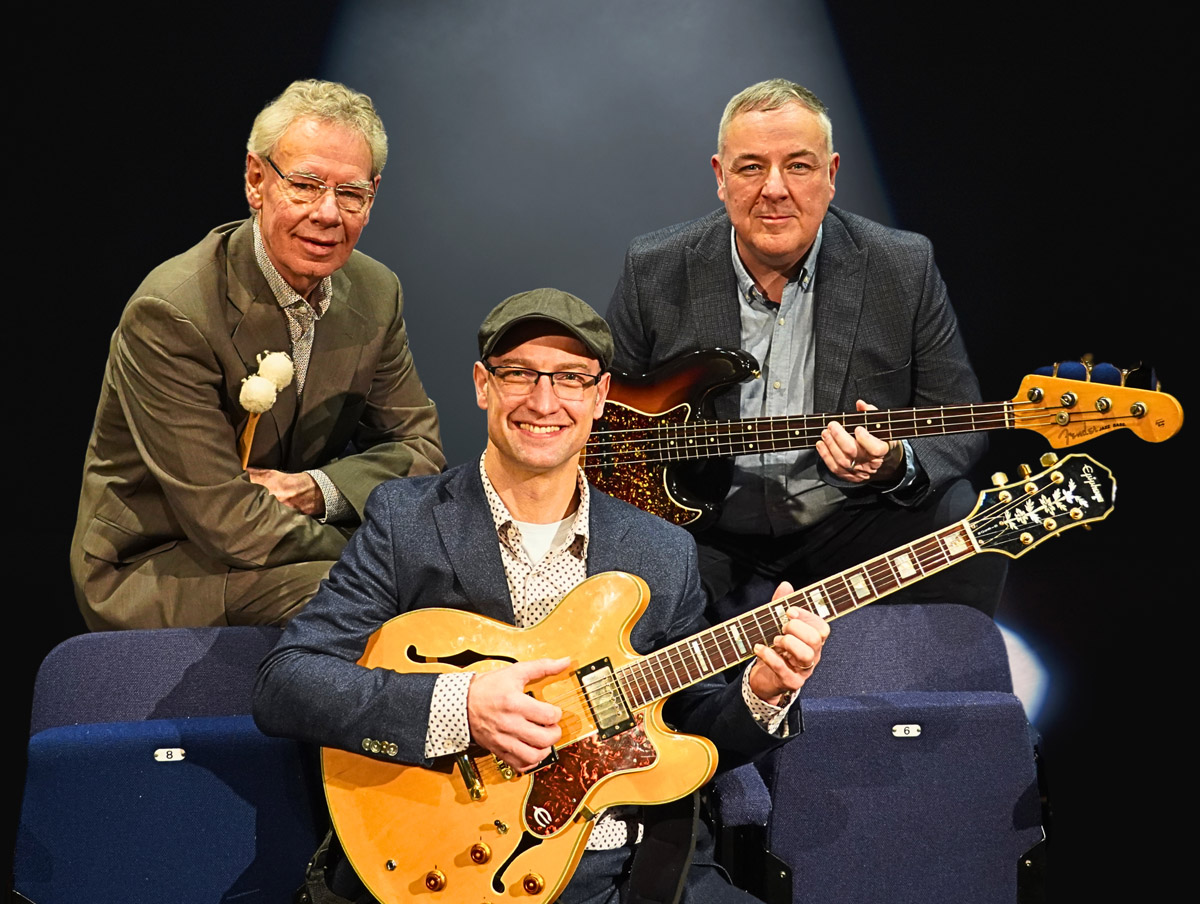 Bill Bruford is one of the greatest drummers of our age and certainly the greatest in Progressive Rock playing with Yes, King Crimson, UK and Earthworks. He retired 13 years ago and got doctorate in music. He claims to have not even touched the drums in that time. But live performance pulled him back in the form of a younger musician, guitarist Pete Roth. They meet in a new space.
Pete Roth: I have to admit up until I met Bill, I didn’t know what Bill was doing and then I learned very quickly that I was being treated to a very prestigious teacher.
Bill Bruford: We have different touchstones, different reference points. It’s not much good, me talking to Pete about King Crimson. or Yes or anything like that. He doesn’t know what that music is. So I like that.
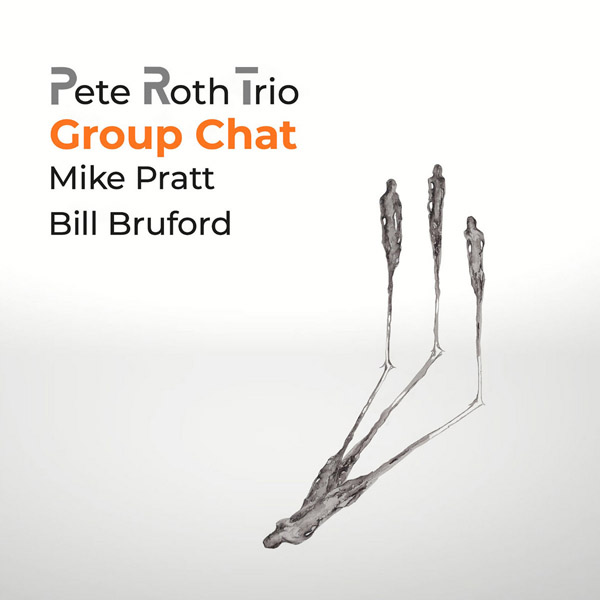
He’s a giant of progressive rock, but he’s only a sideman (wink-wink) with Pete Roth. We’ll be talking to them about their cross-generational approach to music on their album, Group Chat, and why Bruford came out of retirement after 13 years today on Echoes.
Hear our 2018 Interview with Bill Bruford
 25 September 2026, 8:09 pm
 - 18 minutes 12 secondsEchoes Podcast: Peter Phippen & Eric “the” Taylor
Wires & Wind - Peter Phippen & Eric "the" Taylor: The Echoes Podcast
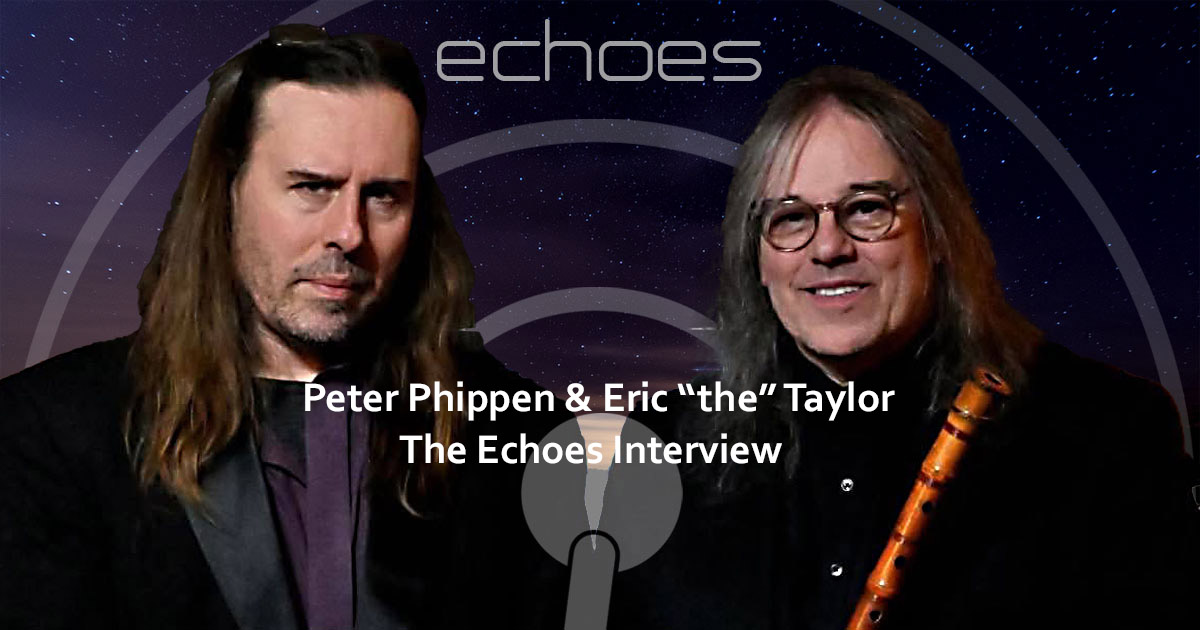
Our CD of the Month in September was Two by Twilight from Peter Phippen and Eric “The” the Taylor. Today, I’ve got both musicians talking about what went into making an album that brought two veteran musicians together for the first time. Phippen is a highly regarded world flutist who started out in the Native flute scene. Taylor has been working in the ambient world with David Helpling, Fragile Fate and Dark Sky Alliance. They merged in a meeting of architecture and improvisation.
Peter Phippen: Yeah, I don’t like to think when I’m playing. It’s the old Taoist philosophy. No thinking, no mind, no mind, no problem. So I don’t like to repeat myself.
 Peter Phippen and Eric “the” Taylor want to take you into a contemplative state on Two by Twilight. But this isn’t the kind of music found on countless cookie-cutter “Music for Meditation” albums. That’s not their intent at all. Two by Twilight takes you into a land of imagination. They travel in a landscape of organic moss and digital vines, creating a world transformed and surreal. John Diliberto talks to them on Echoes from PRX.
Read John Diliberto’s review of Two by Twilight
Read John Diliberto’s review of David Helpling & Eric “the” Taylor’s The Precious Dark
Hear our interview with Eric “the” Taylor and David Helpling in the Echoes Podcast
Hear our interview with Eric “the” Taylor and Dark Sky Alliance in the Echoes Podcast17 September 2026, 8:21 pm - Echoes Podcast: Brian Eno Opal Reborn
Ambient Avatar Brian Eno Interview in Echoes Podcast
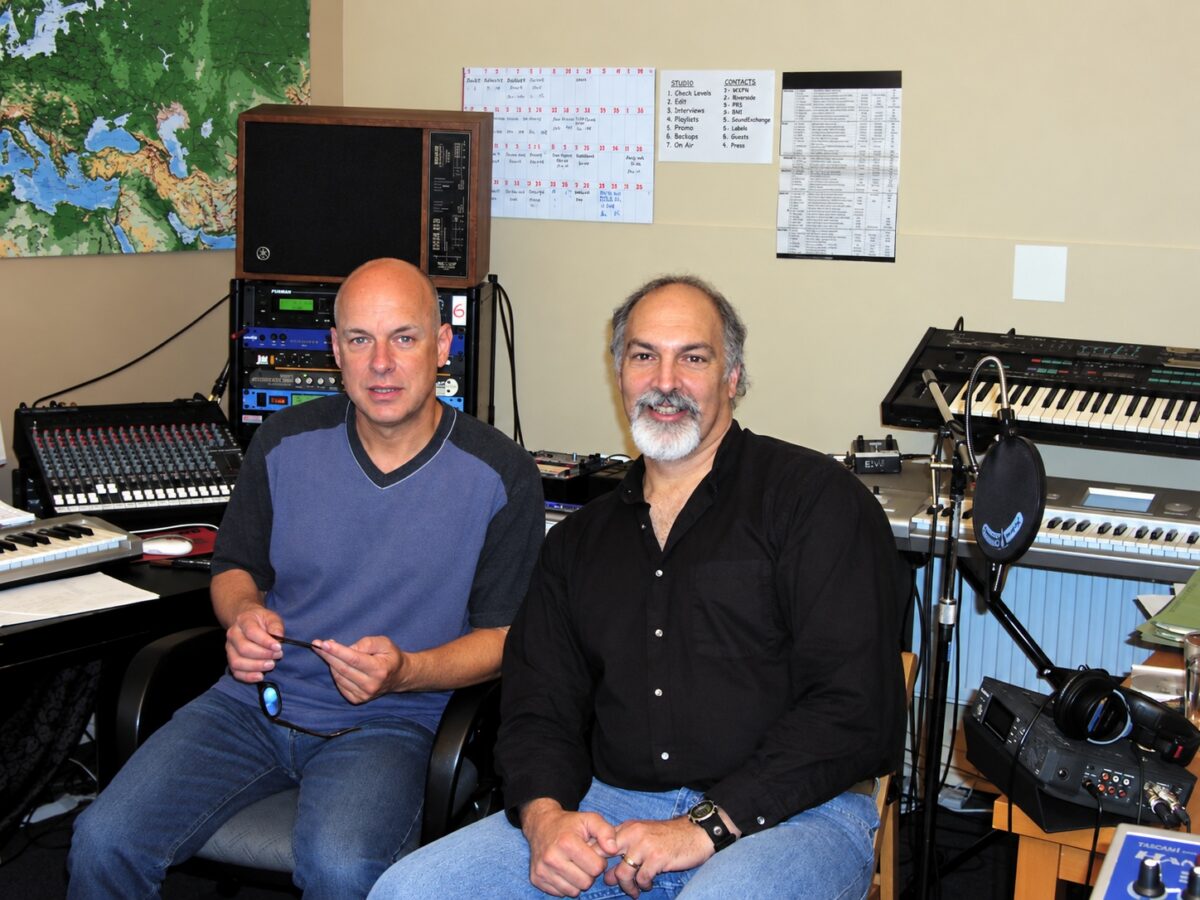
Brian Eno & John Diliberto, London 2005
Brian Eno recently announced the revival of his record label, Opal, the label he founded in 1988. Opal Records had a short but significant original run from 1988 to 1991. Its roster included Roger Eno, Harold Budd, Laraaji, Jon Hassell, Daniel Lanois, Armenian duduk musician Djivan Gasparyan, Hugo Largo, Russian band Zvuki Mu and John Cale, along with Brian Eno himself. To relaunch the label they are releasing new editions of two albums that have been largely unavailable for nearly two decades: Another Day on Earth and Drawn from Life, his collaboration with German electronic musician J. Peter Schwalm. These are both among my favorite and most overlooked Eno recordings. We interviewed Eno at this time in 2005. He talked about Another Day on Earth as well as another project, Drums Between the Bells,which didn’t see the light of day until 2011. In the Echoes Podcast, I bring you our 2005 interview with Brian Eno
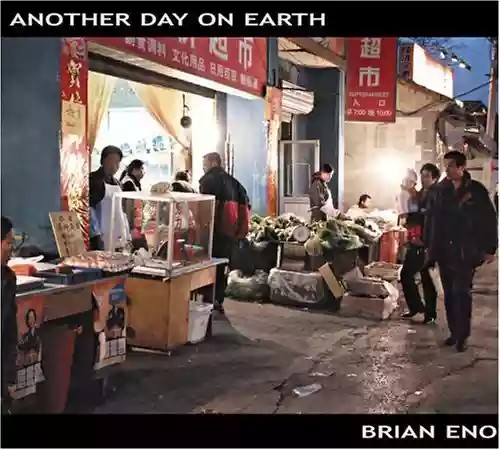 Another Day on Earth is an ambient song cycle that is full of yearning and a mood that Brian Eno has called “brave and resigned.” Even in song, Eno is a master of ambience, creating detailed soundworlds and lyrics that don’t so much make sense as create a feeling. It took Eno 15 years to create a new vocal album and the songs span that time with the welcome reprise of “Under,” a devastatingly beautiful hymn of loss and redemption that dates back to the aborted My Squelchy Life album in 1991. The song turned up before on the Songs from Cool World soundtrack and Eno Box II: Vocals. In 2014 it finally found it’s original home on the release Nerve Net/My Squelchy Life. Joining “Under” as one of Eno’s most sublime songs is “And Then So Clear,” a paean of wasted longing and hope with its cycling rhythm, ethereal guitars and Eno’s auto-tuned vocal harmonies. We debuted this track on Echoes in a longer, pre-release version. You can hear Eno’s love of gospel music on “This” and “Bottomliners.” You can almost picture them in a particularly pensive Baptist church with Eno’s double-tracked vocals emulating a solemn choir. But it’s not all minor key reflection. Eno unleashes a couple of fractured tunes like “Bonebomb” that’s from a project on which he mutated the meter of poets reciting their works. Another Day on Earth is a more personal album from the ambient avatar, a recording of rare and meticulous maturity.
–John Diliberto12 September 2026, 6:52 pm - 18 minutes 44 secondsEchoes Podcast – Steve Hackett & Steve Rothery
Echoes Podcast: Genesis & Marillion Guitarists Fly Together - Steve Hackett & Steve Rothery: The Echoes Interview
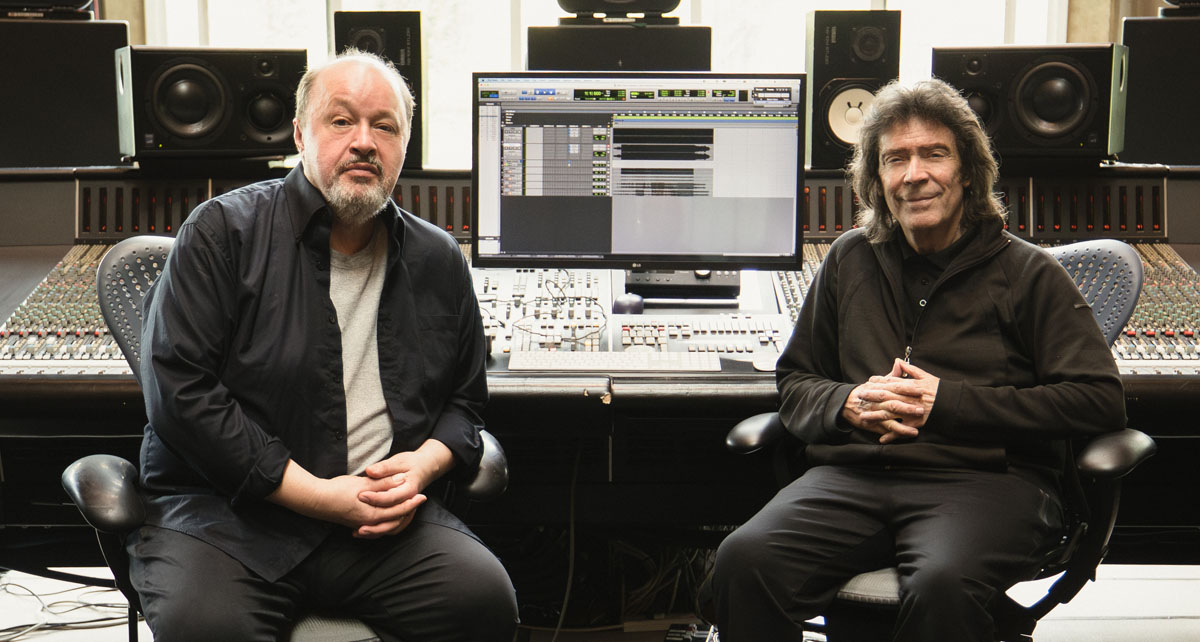 In the Echoes Podcast a meeting of two guitar virtuosos of sonic manipulation and melody. There have been a lot of electric guitar duets over the years, John McLaughlin recorded duet albums at different times with Larry Coryell and Carlos Santana; John Scofield and Pat Metheny got together and Jeff Beck and Johnny Depp. Okay, I’m stretching on that last one. But none were as musical and expansive as The Roaring Waves by Steve Hackett and Steve Rothery. You know them from Genesis and Marillion respectively. It’s an instrumental album, but has all the progressive rock drama you’d expect from that lineage without the bombast, and interwoven guitar playing to go with it.
Steve Hackett: Yeah, we avoided the shred particle, as it were. The idea was not to compete but to have a kind of musical conversation and there’s this kind of question and answer approach, the kind of antiphonal thing. You play something, I play something, I answer to your call
We talk to Steve Hackett and Steve Rothery about their album, The Roaring Waves in the Echoes Podcast from PRX.
https://insideoutmusic.bandcamp.com/album/the-roaring-waves-24-bit-hd-audio
26 August 2026, 9:51 pm - 22 minutes 54 secondsEchoes Podcast – Jeff Beck Story
The Guitar Magic and Mayhem of Jeff Beck with biographers Brad Tolinski and Chris Gill: The Echoes Podcast
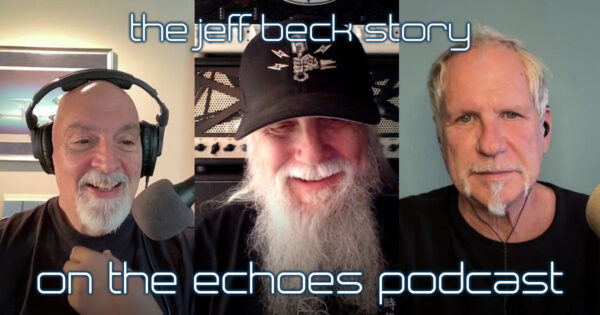
In the Echoes Podcast, the beauty and chaos of Jeff Beck, an iconoclastic guitarist, when we talk to biographers Brad Tolinski and Chris Gill.
When John Diliberto was growing up, there were three musicians that formed a holy trinity of guitarists: Eric Clapton, Jimi Hendrix and Jeff Beck. Beck was the first to push the electric guitar into psychedelia with The Yardbirds before taking the instrument into the stratosphere. Beck plucked his final string on January 10, 2023, leaving behind one of the most adventurous and chaotic careers in rock. Now, Brad Tolinski and Chris Gill have published Blow by Blow: The Jeff Beck Story.
Chris Gill: He’s really probably one of the most pure form of an artist that I’ve encountered in my career. He was really relentless in his pursuit of of a sound, of not just a sound, but sounds of what he heard of music.
We connected with them to explore our common love of Beck, and they took us on a journey through his many incarnations—from psychedelic blues rocker to fusion adaptor to fearless electronica experimenter. Along the way, there was an unexpected stop at Vangelis. Chris Gill and Brad Tolinski have been around the rock music block for decades. Tolinksi was Chief Editor of Guitar World Magazine for a quarter century. He’s written books on Led Zeppelin’s Jimmy Page, The MC5 and a history of the electric guitar. Along with Gill, he co-wrote Eruption: Conversations with Eddie Van Halen. Gill is a Guitar World writer and a contributor to books on Eric Clapton and a previous Jeff Beck book. They have both interviewed Jeff Beck many times and seen him live even more.
Read John Diliberto’s review of Jeff Beck Live from 2010
Read John Diliberto’s review of Jeff Beck Live from 2018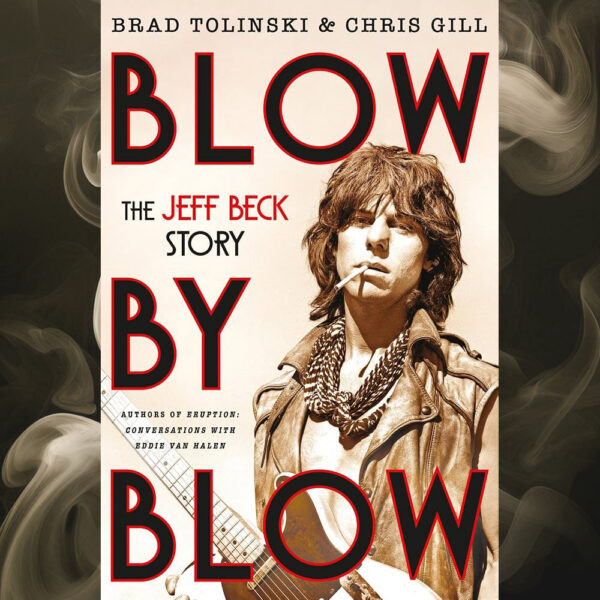 13 August 2026, 4:25 pm
 - 19 minutes 41 secondsEchoes Podcast: Spotted Peccary Music
Spotted Peccary Music celebrates its 40th Anniversary
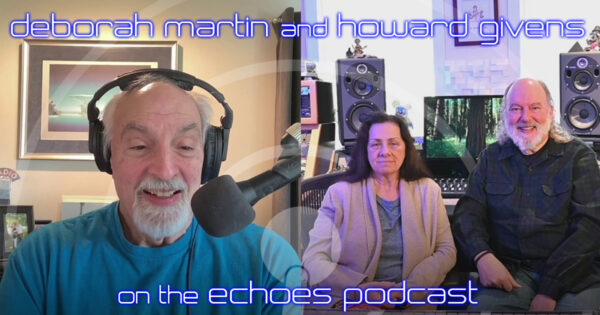
In the Echoes Podcast, it’s all about Spotted Peccary Music as the pioneering ambient and electronic label celebrates its 40th anniversary. They have outlasted Windham Hill, Narada, Hearts of Space Records and many more. Artists like David Helpling, Deborah Martin, Chronotope Project, Craig Padilla and Rudy Adrian have been part of a catalog of more than 200 releases, all shaped by the creative vision of Howard Givens and Deborah Martin, the brain trust of the label
Howard Givens: “The goal was to design a sound that left you immersed in the music, not distracted by the fact that it came from a synthesizer.”
They’re celebrating 40 years since they came together in Tucson Arizona. They actually released their first album in 1989, In the Land of Power by Brain Laughter. The Spotted Peccary is an imaginary creature born in the desert southwest. But it’s the name of a consequential label, Spotted Peccary Music. We’ll be talking with them about their genesis and evolution across 40 Years.
SPOTTED PECCARY CDS OF THE MONTH SINCE 2005
April 2026: Craig Padilla & Marvin Allen – Unfolding Skies
January 2026: Deborah Martin & Jill Haley – Rendering Time
May 2025 CD of the Month: David Helpling and Eric “the” Taylor – Precious Dark
March 2023: Hollan Holmes – Emerald Waters
June 2022: David Helpling – IN
September 2021: Chronotope Project – Gnosis
September 2020: Michael Stearns and Erik Wollo – Convergence
June 2020: John Gregorius – Full of Life
May 2019: Massergy – Fire Opal
December 2013: David Helpling & Jon Jenkins – Found
September 2013: Darshan Ambient – Little Things
December 2011: Darshan Ambient – Dream in Blue
September 2010: David Helpling & Jon Jenkins – The Crossing
December 2008: John Gregorius – Heaven and Earth
July 2007: David Helpling & Jon Jenkins – Treasure
January 2005: Green Isac –Etnotronica30 July 2026, 4:41 pm - 18 minutes 30 secondsEchoes Podcast – Michael Stearns & Robert Rich
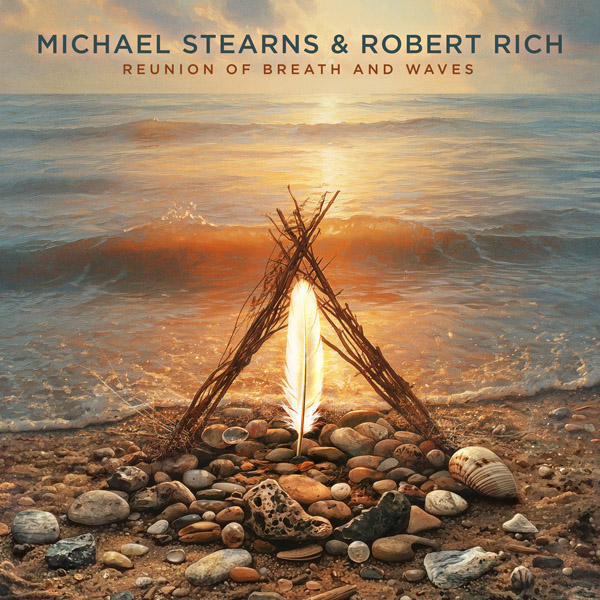
A Meeting in Ambience: Michael Stearns & Robert Rich: The Echoes Podcast

In the Echoes Podcast, two electronic musicians who were part of the original 1980s California new age and space music scenes. Michael Stearns and Robert Rich are icons of electronic music and have recorded their first album ever together, Reunion of Breath and Waves. And they did it in person face to face, synth to synth.
Robert Rich: I’ve been using a term for twenty-five plus years now that I refer to as embodiment, which, having lived my life in Silicon Valley until recently, getting extremely tired of the push towards virtualization going on in technology and feeling that to push back, one needs to find a language of physicality, of non-virtual non-virtuality. I think many of the problems that we’re entering into in our civilization has to do with a denunciation of physicality, a denunciation of our animal nature.
We hear some deep musical explorations when John Diliberto talks with Michael Stearns and Robert Rich. Michaels Stearns recordings like Planetary Unfolding, Chronos, Encounter and Samsara are albums that influenced a generation. Robert Rich has a charted a singular course through electronic music traverses abstract realms, world fusion and electronic dreams from his breakthrough release, Rainforest through his seven-hour album inspired by his sleep concerts, Somnium to his recent CD of the Month, Travelers’ Cloth. Even though they travel in the same music circles and have known each other for 40 years, they’ve never recorded together until now and the results are a spectacular album, Reunion of Breath and Waves.
 23 July 2026, 3:20 pm
 - 16 minutes 28 secondsEchoes Podcast – David Helpling & Scott
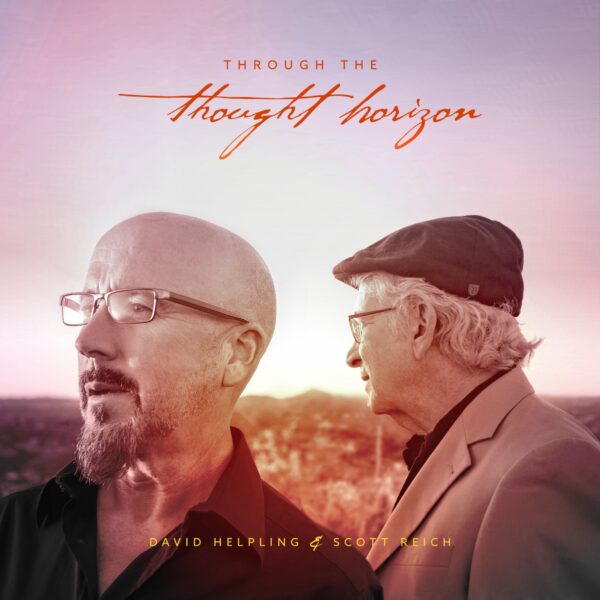
Thoughts Through Sound - David Helpling & Scott Reich: The Echoes Podcast

On the Echoes Podcast, David Helpling and Scott Reich go Through the Thought Horizon. They are musicians exploring a philosophical ambience. David Helpling you might know from his many solo works, collaborations with Jon Jenkins and Dark Sky Alliance. Scott Reich is less well-known. He’s a pianist and electronic composer, but he also takes his music to the mystical side on their collaboration, Through the Thought Horizon.
Scott Reich: The word “through,” meaning if you get to tied to your thoughts, you can have a limited experience in life. But if you can go through the thought horizon, then you’re opening up all kinds of new experiences. You can exist beyond thought.
Get ready for a ride into philosophy, the Kabbalah and the Primordial Tower. Join John Diliberto with David Helping and Scott Reich on the Echoes Podcast from PRX.
 16 July 2026, 4:16 pm
 - 23 minutes 22 secondsEchoes Podcast: Ben Neill’s Music Democracy
Mutantrumpet Creator Ben Neill Proposes an Age of Music Democratization: Echoes Podcast
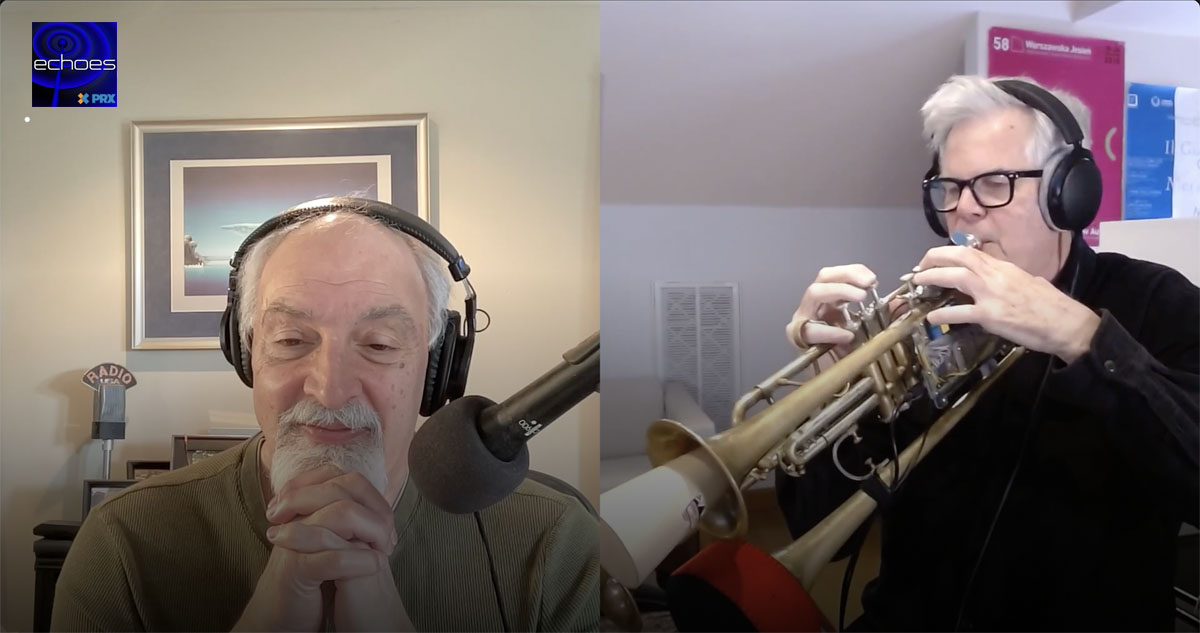
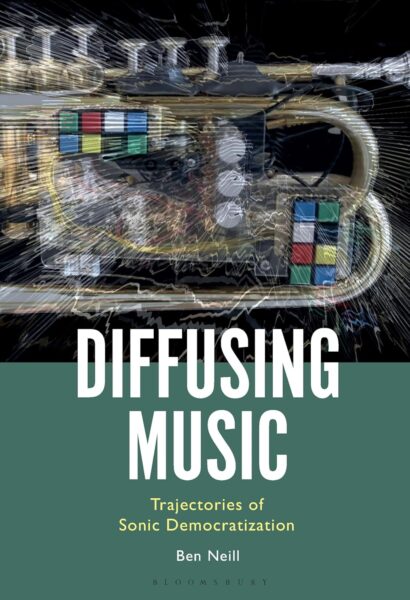
Mutantrumpeter Ben Neill argues for musical democracy now! in the Echoes Podcast.. If you’ve listened to Echoes over the last 30 years, you’ve heard the music of Ben Neill a lot. He plays an instrument called the mutantrumpet which has 3 trumpet bells, a trombone slide, two sets of valves and a lot of electronics. He’s been making music on the edges of electronica since his 1995 album, Green Machine. In the main part of the Echoes Podcast, I’m not going to talk to Ben about the trumpet, but about his new book, Diffusing Music – Trajectories of Sonic Democratization, Ben Neill talks about a history of opening up music to everyone, from the Futurists to Fluxus to AI. You don’t need traditional skill to make music anymore.
Ben Neill: Yeah, de-skilling and re-skilling, so that technology takes over and makes it so that a lot of the skills that were required are just not valid anymore or they’re not needed anymore.
I’ll be talking to Ben Neill about his book which has just been released in a much more affordable paperback edition. As a bonus, after the regular interview, we’ll have Ben demonstrating his mutantrumpet.
Hear the Ben Neill and his mutantrumpet in a live Echoes performance here.
 9 July 2026, 4:42 pm
 - 19 minutes 46 secondsEchoes Podcast: Hammock Interview
Hammock's Psychedelic Revelations: The Echoes Podcast
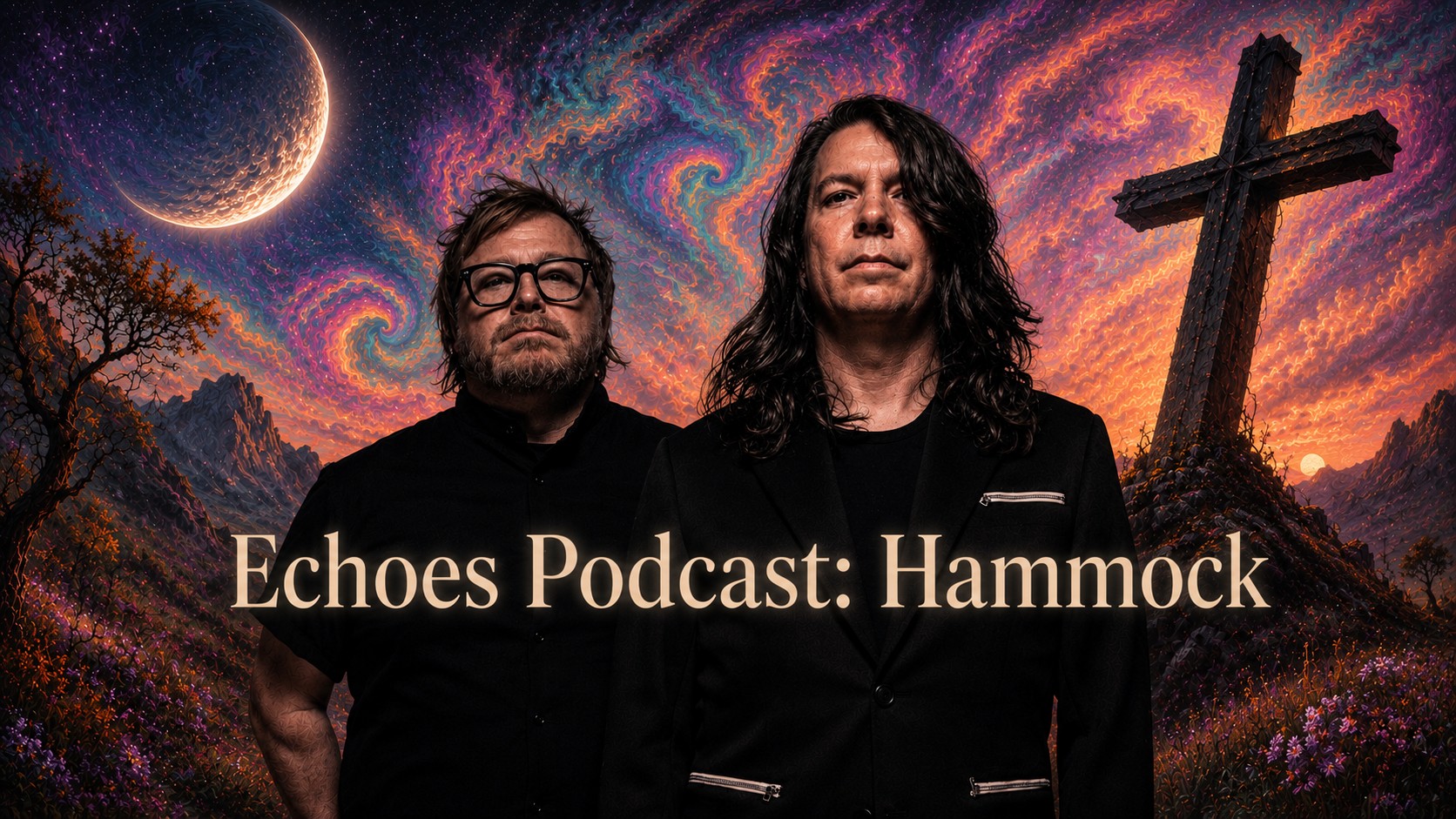 The ambient guitar duo Hammock have become darlings of both the post-rock and ambient scenes. Yet, although they may attract a hipster audience, their music is imbued with Marc Byrd and Andrew Thompson’s evangelical upbringing and their subsequent rejection of much of that doctrine. It informs alot of their new album, The Second Coming was a Moonrise.
Hammock’s Marc Byrd: In one Christian school that I grew up in, Wednesdays, we wore a pin-on tie with an eagle, an American flag, and a Bible printed on it. So I got a good dose of Christian nationalism too. I got suspended from that school several times.
That’s Marc Byrd of Hammock. I talk to them today about an album inspired by an acid trip, religion, politics and a love of sonic landscapes on Echoes.
The Second Coming was a Moonrise is Echoes June CD of the Month. Read John Diliberto’s review.
 25 June 2026, 8:08 pm
 - 11 minutes 52 secondsEchoes Podcast – Tonto’s Expanding Head Band
An Electronic Revolution-Tonto's Expanding Head Band 55th: The Echoes Podcast
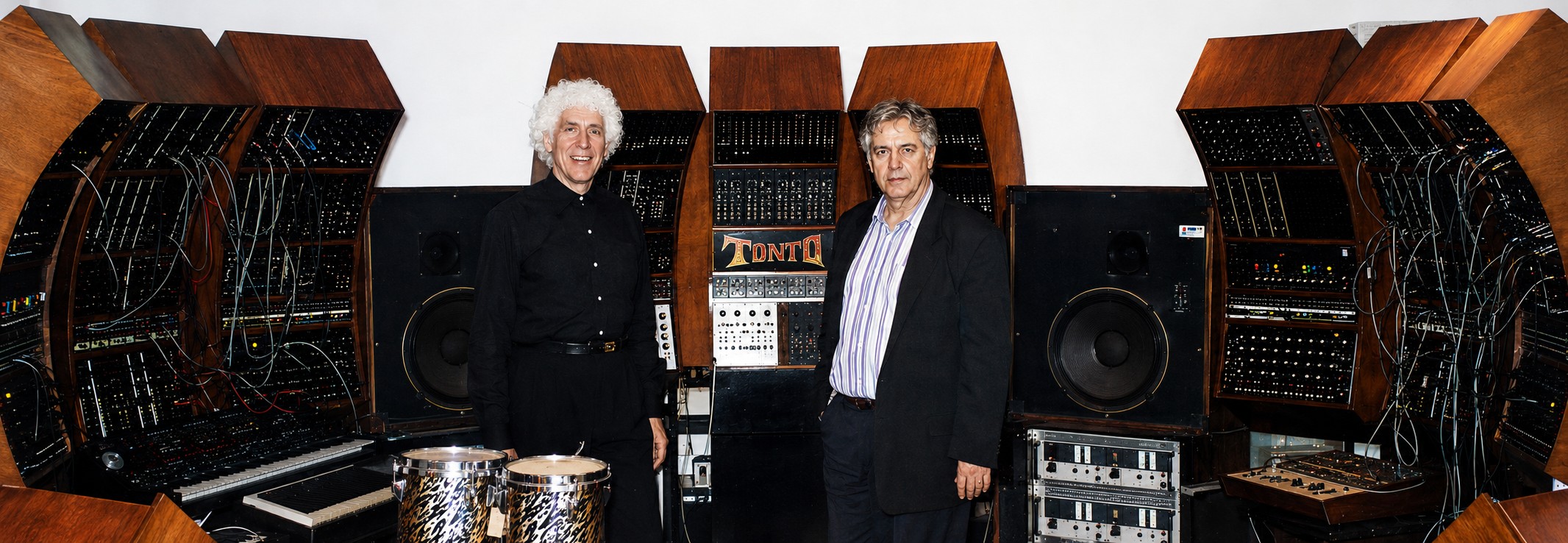
It has been 55 years since Tonto’s Expanding Head Band first took flight on the 1971 album, Zero Time. Recorded on their electronic array called TONTO, it predated by years the sequencer-driven recordings of Tangerine Dream’s Phaedra, Klaus Schulze’s Picture Music and Kraftwerk’s Autobahn. It was an album of thudding bass grooves, melodic electronic flights and deep ambient expanses, long before any of that became part of the contemporary electronic music vernacular.
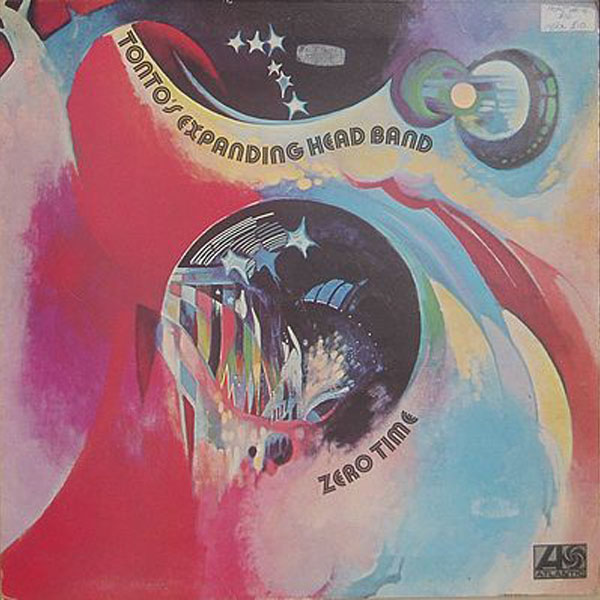 You may have never heard Zero Time, but its influence reverberated throughout space music and popular music. Look at the credits on ‘70s albums by Quincy Jones, The Isley Brothers, Minnie Ripperton and many others and you’ll see the names of Malcolm Cecil and Robert Margouleff, the creators of TONTO. But their best known contribution remains Stevie Wonder’s brilliant mid-70s quartet of recordings that began with Music of My Mind. They were all midwifed by Malcolm Cecil and Robert Margouleff along with the TONTO synthesizer.
But it’s the album, Zero Time, that remains their most impressive and groundbreaking release, creating a new form of music that would be expanded upon by the aforementioned German artists, In the Echoes Podcast we hear an interview with Cecil and Margouleff recorded in 1996.
Read John Diliberto’s deep dive into Tonto’s Expanding Head Band.
19 June 2026, 4:32 pm - More Episodes? Get the App