- 52 minutes 40 secondsCheryl Platz at Playthink: 3/4/26Cheryl Platz at Playthink: 3/4/26 Game Innovation Lab
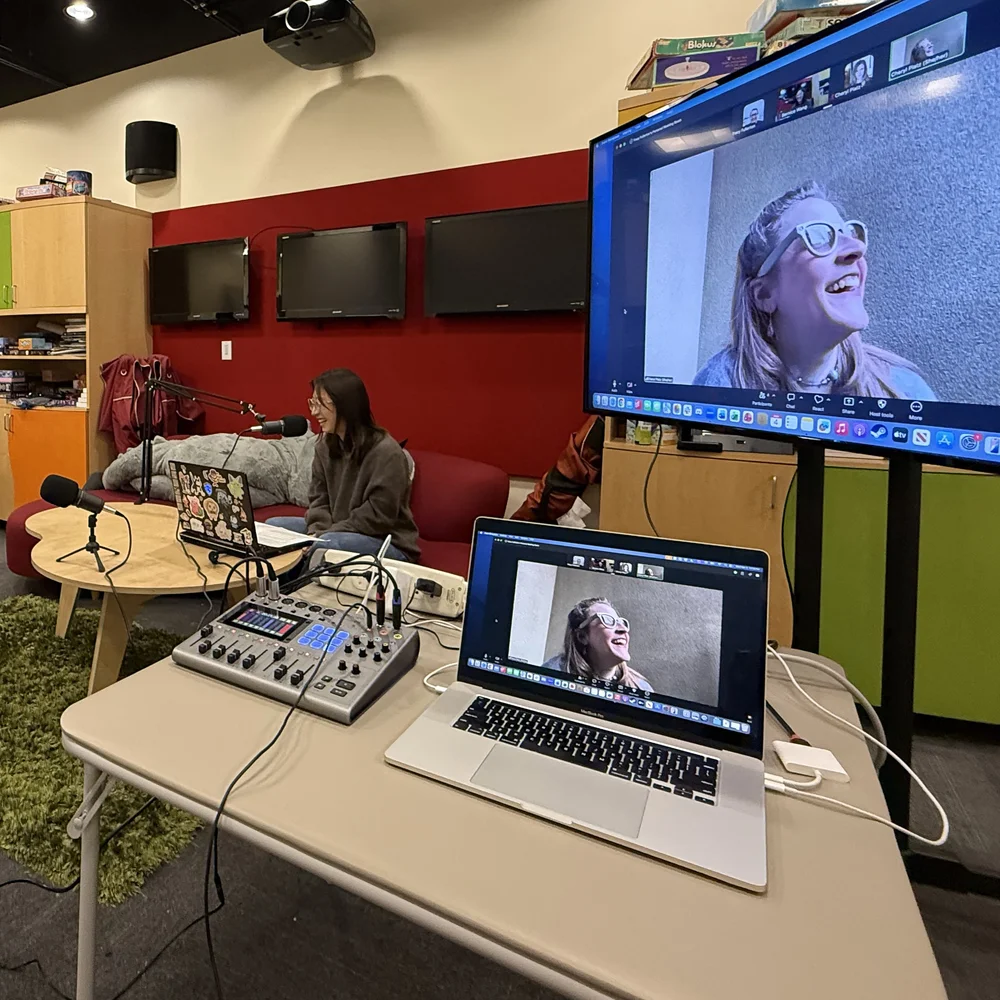
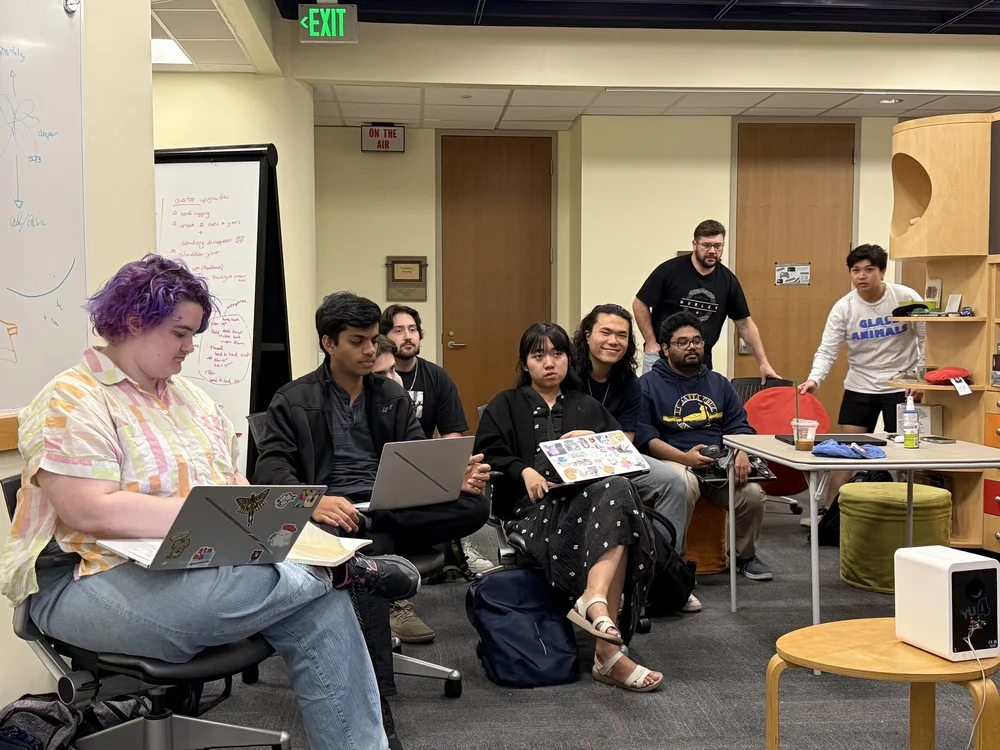
Game developer, designer, and author Cheryl Platz joins us for this episode of Playthink, to discuss about her book The Game Development Strategy Guide: Crafting Modern Video Games That Thrive. Interviewed by MFA candidate Bernice Wang, Platz gives us insights into her deep experience in user-research supported design for ground-breaking games and beyond. Her latest book has been hailed by game design luminaries Will Wright as “an amazingly broad and contemporary take on our industry” and Jesse Shell as “an amazing crash course for anyone who wants to make games that actually succeed.” She has worked as a Creative Director, Experience Design Director, Lead Producer, writer, game designer, and voice talent for companies like Riot Games, Scopely, Inc., Electronic Arts, and independent studies like Griptonite Games. And, she has shipped and supported games including The Sims: Bustin’ Out, The Urbz: Sims in the City, Disney Friends DS, MARVEL Strike Force, League of Legends, 2XKO, and more.
 4 March 2026, 8:30 pm
 - 1 hour 8 minutesRichard Lemarchand at Playthink: 11/17/25Richard Lemarchand at Playthink: 11/17/25 Game Innovation Lab
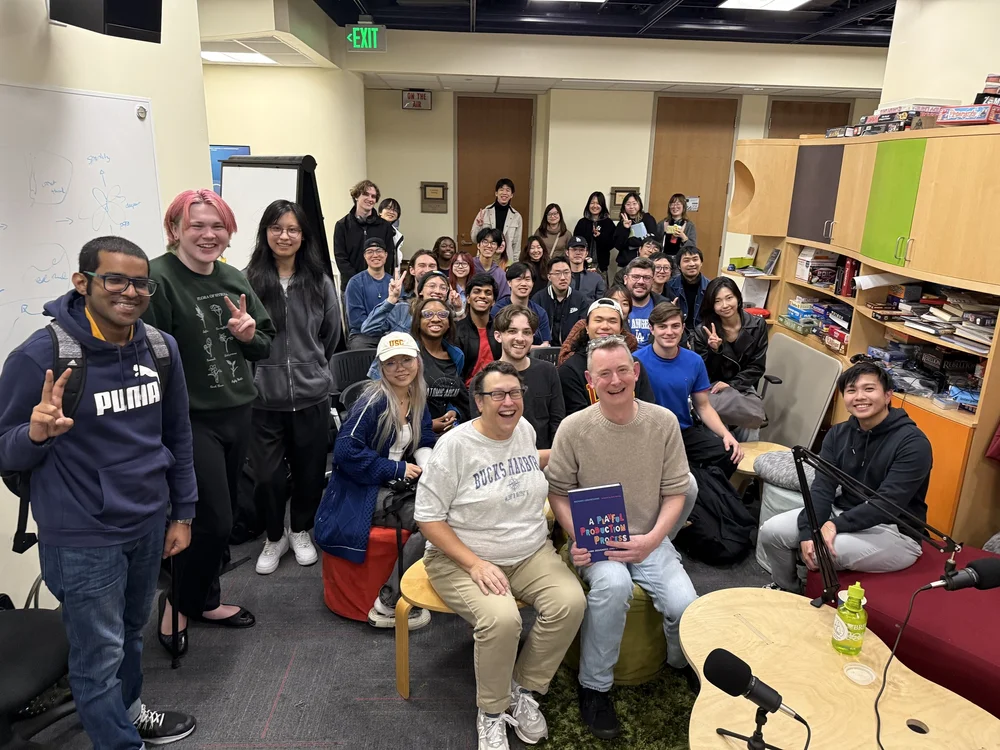
USC Games Professor Richard Lemarchand joins us for this episode of Playthink, to talk about his book A Playful Production Process - For Game Designers (And Everyone). Interviewed by Game Innovation Lab Director Tracy Fullerton, Lemarchand discusses the core aspects of concentric development, digging into the importance of prototyping, macro charts, and truly collaborative design teams. This book, which is the core text for the USC Games Intermediate Project classes comes out of Lemarchand’s deep expertise as a lead or co-lead designer on all three PlayStation 3 games on Naughty Dog’s Uncharted series, as well as his work on the Gex and Soul Reaver games at Crystal Dynamics, and, of course, his experiences teaching game design, development, storytelling, and production as a professor at USC.
 18 November 2025, 2:00 am
 - 1 hour 9 minutesCelia Pearce at Playthink: 11/3/25Celia Pearce at Playthink: 11/3/25 Game Innovation Lab
This episode of Playthink welcomes game designer, scholar, and professor Celia Pearce as we discuss the rich areas of play theory explored in her new book, Playframes: How do we know we are playing? Interviewed by MS candidate Reef (Harith Liew), Pearce leads us through a fascinating set of questions around the metacommunication of play. WIth topics ranging from theme parks, to sports, to cosplay and video games, Pearce creates distinctions for us, both designers and players, that help us understand how better communications around what is play and when we are playing can start to build better and safer playful spaces.

 4 November 2025, 2:00 am
 - 1 hour 7 minutesChris Totten at Playthink: 10/15/25Chris Totten at Playthink: 10/15/25 Game Innovation Lab
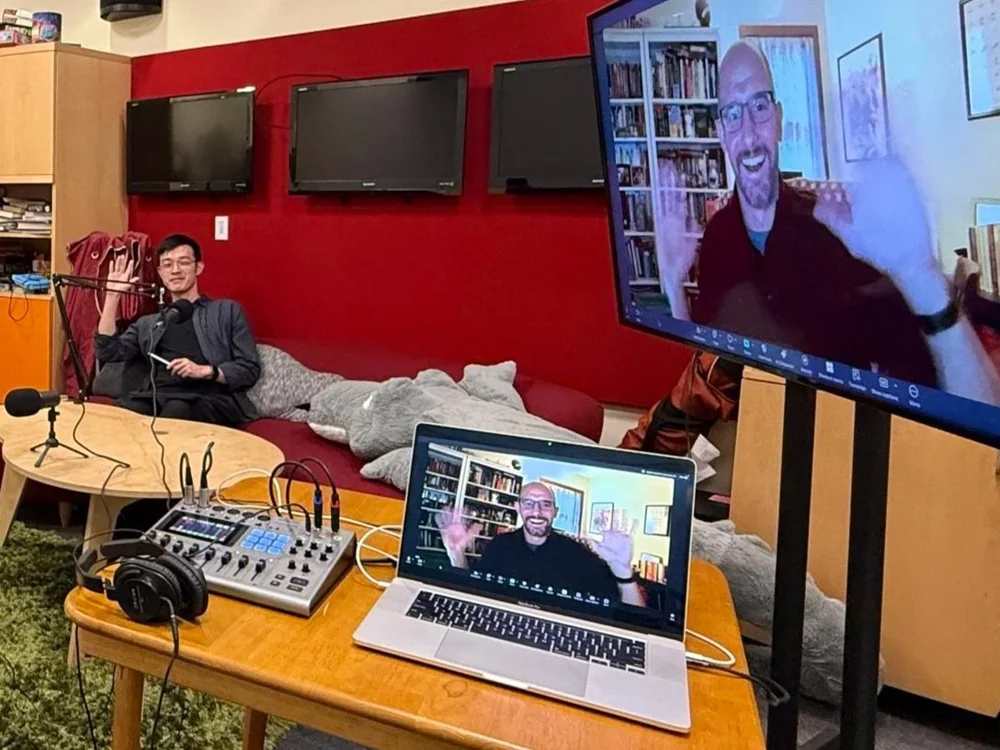
On this episode of Playthink, we welcome game designer and author Chris Totten as we explore his book, An Architectural Approach to Level Design. Interviewed by level designer and MFA candidate Zhutian Zhang, Totten discusses ways in which his approach brings in methods of planning and thinking about levels as playful architectural spaces that bring together the artistic, the cultural, and the technological.
 15 October 2025, 11:30 pm
 - 1 hour 2 minutesTracy Fullerton at Playthink: 4/16/25Tracy Fullerton at Playthink: 4/16/25 Game Innovation Lab
On this episode of Playthink, we welcome game designer and scholar Tracy Fullerton as we explore her book, The Well-Read Game: On Playing Thoughtfully — co-authored with Dr. Matthew Farber. Game designer and USC Games alumnus Maynard Hearns hosts this conversation about the themes of the book, which invite us to examine the ephemeral, emotional, and deeply personal experiences of play, the stories that we tell ourselves while playing, the feelings that linger, and the subjective meanings we create.

 17 April 2025, 12:00 am
 - 1 hour 2 minutesTreaAndrea Russworm at Playthink: 3/26/25TreaAndrea Russworm at Playthink: 3/26/25 Game Innovation Lab
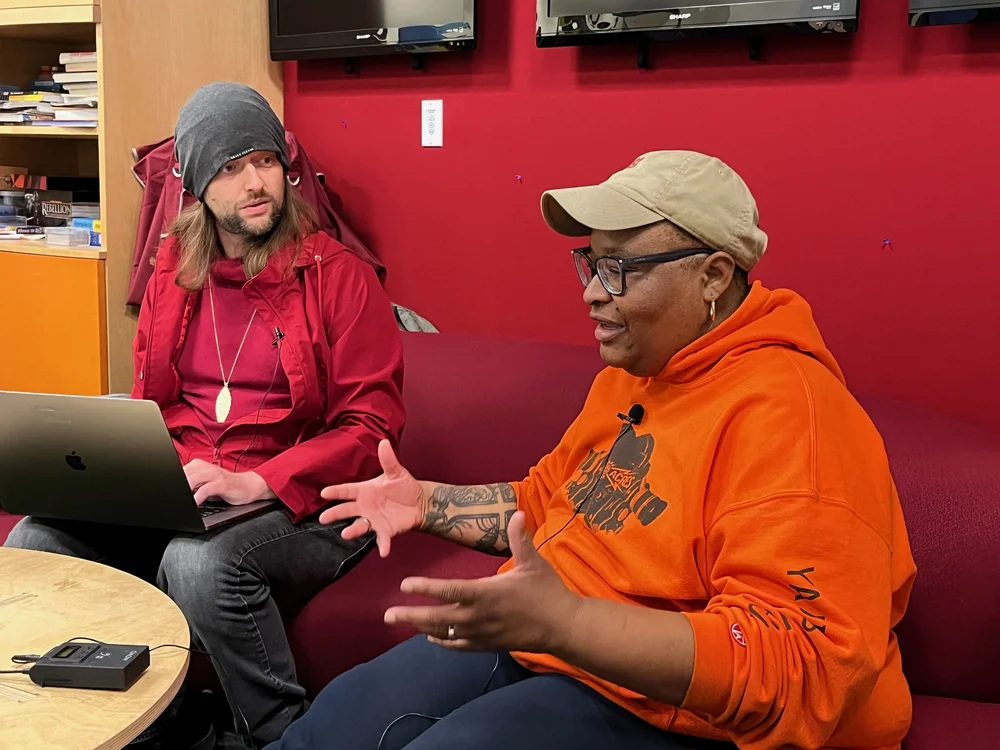
On this episode of Playthink, Professor TreaAndrea Russorm, Director of the Radical Play Game Design Lab at USC Games, and Post Doctoral Scholar M. Coopilton discuss how games shape civic engagement, power structures, and democracy. We dive into the ways that interactive media can challenge or reinforce social hierarchies and inspire new forms of Play.
 26 March 2025, 11:00 pm
 - 48 minutes 21 secondsSam Roberts at Playthink: 2/19/25Sam Roberts at Playthink: 2/19/25 Game Innovation Lab
On this episode of Playthink, Game Designer Sam Roberts and Eric Park discuss Robert's essay on class systems in Final Fantasy Tactics and other RPG's. The conversation ranges far and wide from the narrative potentials for system designs around class to the ways that playing with class in games can offer real world opportunities for change.

 20 February 2025, 3:30 am
 - 58 minutes 27 secondsChristal Rose Hazelton at Playthink: 11/12/24Christal Rose Hazelton at Playthink: 11/12/24 Game Innovation Lab
Playthink is back after so much time away! Please join us for a wonderful conversation between Narrative Designer Christal Rose Hazelton and Bryan Sng Yong about Hazelton’s work on Apex Legends, crafting authentic characters from diverse backgrounds, and using feedback to refine portrayals of characters. She has some great advice for young creatives on finding their voice in the industry — especially those from underrepresented backgrounds. Have a listen and we’ll be back again soon!

 13 November 2024, 1:00 am
 - 1 hour 9 minutesEric Zimmerman at Playthink: 9/15/20Eric Zimmerman at Playthink: 9/15/20 Game Innovation Lab
Playthink is back and Zoomier than ever!! Please join us for a Zoom conversation between Eric Zimmerman and Tracy Fullerton about the recently released “The Infinite Playground,” the final book by visionary game designer Bernie De Koven, written with Holly Gramazio and edited by Celia Pearce and Eric Zimmerman. Eric and Tracy Fullerton will be discussing Bernie’s work, his influence on so many other designers, and the importance of the themes of his final book in our world today.
 16 September 2020, 1:30 am
 - 55 minutes 56 secondsBonnie Ruberg at Playthink: 9/10/19Bonnie Ruberg at Playthink: 9/10/19 Game Innovation Lab
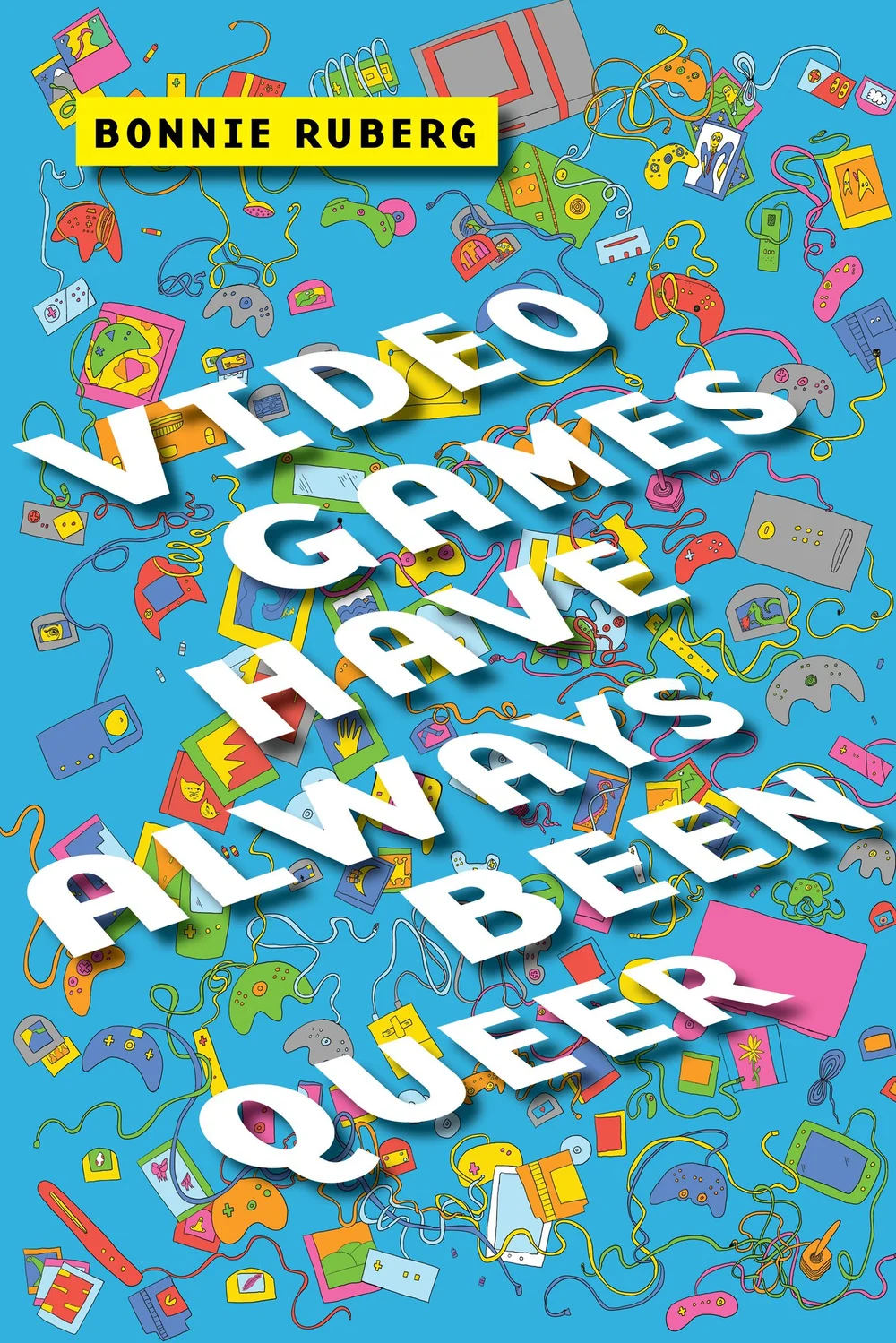
Bonnie Ruberg, Ph.D. is an assistant professor in the Department of Informatics and the Program in Visual Studies at the University of California, Irvine. Their research explores gender and sexuality in digital media and digital cultures with a focus on queerness and video games. They are the author of Video Games Have Always Been Queer (2019, New York University Press) and The Queer Games Avant-Garde (2020, Duke University Press) and the co-editor of Queer Game Studies (2017, University of Minnesota Press). Ruberg is also the co-founder and co-organizer of the annual Queerness and Games Conference. They received their Ph.D. with certification in New Media and Gender and Sexuality Studies from the University of California, Berkeley and served as a Provost's Postdoctoral Fellow in the Interactive Media and Games Division at the University of Southern California.
For this Playthink session, we’re changing up the format! Bonnie will do a talk at 5:30PM in SCB 104 (just next door in the Animation building) and we will do our podcast interview earlier in the day. If you are in the neighborhood, please come to the talk and, if you can’t make it in person, look for the follow up interview here on the Playthink podcast!
Talk abstract:
"Video Games Have Always Been Queer"
Video games are a site of rich potential for exploring gender, sexuality, and identity. This talk explores the relationship between video games and queerness. It looks beyond LGBTQ representation in games (such as the inclusion of LGBTQ people and romances on screen) and argues that video games themselves can be understood as queer. To do this, it points to three key ways of finding queer experiences within games: through interpretation, through play, and through design. Looking forward to future work, it also demonstrates the queer implications of the underlying technologies on which video games are built. At once conceptual and political, this work insists that queer people have always belonged in video games, because video games have always been queer.
11 September 2019, 12:37 am - 1 hour 6 minutesLiz Ryerson at Playthink: 4/23/19Liz Ryerson at Playthink: 4/23/19 Game Innovation Lab
Liz Ryerson is a composer, critic, and occasional game designer and podcaster. She is an avowed leftist and a co-founder of Game Workers Unite. She believes strongly that the power of action of people, both collectively and by individuals, against large corporate conglomerates is crucial to preserving and forwarding digital culture for the better of humanity. Her artistic and curation work often explores the strange, ephemeral, and oft-ignored aspects of the digital culture. Notable works include her experimental game Problem Attic, the music for the IGF-nominated Dys4ia, and the music and sound for the cult game Crypt Worlds. She has also written for publications like Jacobin, The New Inquiry, and Waypoint about the political relationship between games and broader culture.
Join us for a conversation between Liz and USC Games professor Jane Pinckard on April 23rd in the SCI 201 Fishbowl at 5:30PM. All are welcome!
24 April 2019, 12:30 am - More Episodes? Get the App