- 54 minutes 46 secondsHoliness (Remastered)
The Language of Faith E1 —- Some of the most important vocabulary words in the Bible and Christian faith are rarely used in modern Western culture, or they’re used in ways totally different from how the Bible uses them. This short series qualifies, resurrects, and gives new meaning to three of these old terms. In this teaching, Tim explores the biblical word and concept of holiness, as it applies to God and people in the story of the Bible. Tim gave this message at Door of Hope Church in Portland, Oregon, on October 2, 2016.
OFFICIAL EPISODE TRANSCRIPT
View this episode’s official transcript.
REFERENCED RESOURCES
- Check out Tim’s extensive collection of recommended books here.
SHOW MUSIC
- “Nob Hill (Instrumental)” by Drexler
SHOW CREDITS
Production of today's episode is by Lindsey Ponder, producer, and Cooper Peltz, managing producer. Aaron Olsen edited and remastered today's episode. JB Witty writes our show notes.
Hosted by Simplecast, an AdsWizz company. See pcm.adswizz.com for information about our collection and use of personal data for advertising.
18 September 2026, 7:00 am - 42 minutes 51 secondsAll Things New or All New Things? (Remastered)
Resurrection as a Way of Life E5 — In this final teaching of a five-part series, Tim explores the depiction of new creation in the book of Revelation. These final pages of the Bible talk about this future universe as new because many aspects of our current world will not carry over. At the same time, we will experience some points of continuity. So what do we make of all this and why is it important? Tim gave this message at Door of Hope Church in Portland, Oregon, on August 21, 2016.
OFFICIAL EPISODE TRANSCRIPT
View this episode’s official transcript.
REFERENCED RESOURCES
- Check out Tim’s extensive collection of recommended books here.
SHOW MUSIC
- “Nob Hill (Instrumental)” by Drexler
SHOW CREDITS
Production of today's episode is by Lindsey Ponder, producer, and Cooper Peltz, managing producer. Aaron Olsen edited and remastered today's episode. JB Witty writes our show notes.
Hosted by Simplecast, an AdsWizz company. See pcm.adswizz.com for information about our collection and use of personal data for advertising.
11 September 2026, 7:00 am - 49 minutes 4 secondsAcorns of Fire (Remastered)
Resurrection as a Way of Life E4 — In this fourth teaching of a five-part series, Tim explores 1 Corinthians 15, one of the most important chapters on the resurrection in the New Testament. The Apostle Paul expounds on the importance of resurrection hope, as well as what the resurrection body is (and what’s it’s not). Tim gave this message at Door of Hope Church in Portland, Oregon, on August 7, 2016.
OFFICIAL EPISODE TRANSCRIPT
View this episode’s official transcript.
REFERENCED RESOURCES
- Check out Tim’s extensive collection of recommended books here.
SHOW MUSIC
- “Nob Hill (Instrumental)” by Drexler
SHOW CREDITS
Production of today's episode is by Lindsey Ponder, producer, and Cooper Peltz, managing producer. Aaron Olsen edited and remastered today's episode. JB Witty writes our show notes.
Hosted by Simplecast, an AdsWizz company. See pcm.adswizz.com for information about our collection and use of personal data for advertising.
4 September 2026, 7:00 am - 43 minutes 4 secondsGroaning and Liberation (Remastered)
Resurrection as a Way of Life E3 — In this third teaching of a five-part series, Tim dives into one of the most exhilarating and beautiful chapters in all of the Apostle Paul’s writings. In Romans 8, Paul retells the whole story of the Bible with imagery from Exodus, which is all about people groaning in slavery, being liberated by God, and stepping into freedom in the promised land. Tim gave this message at Door of Hope Church in Portland, Oregon, on July 24, 2016.
OFFICIAL EPISODE TRANSCRIPT
View this episode’s official transcript.
REFERENCED RESOURCES
- Check out Tim’s extensive collection of recommended books here.
SHOW MUSIC
- “Nob Hill (Instrumental)” by Drexler
SHOW CREDITS
Production of today's episode is by Lindsey Ponder, producer, and Cooper Peltz, managing producer. Aaron Olsen edited and remastered today's episode. JB Witty writes our show notes.
Hosted by Simplecast, an AdsWizz company. See pcm.adswizz.com for information about our collection and use of personal data for advertising.
28 August 2026, 7:00 am - 49 minutes 16 secondsA Living Hope (Remastered)
Resurrection as a Way of Life E2 — In this second episode of a five-part series, Tim explores 1 Peter’s opening paragraph and its themes of new birth and living hope, both made possible by Jesus’ resurrection. Tim also reflects on what he learned about human psychology and hope from the Holocaust survivor Viktor Frankl. He gave this message at Door of Hope Church in Portland, Oregon, on July 10, 2016.
OFFICIAL EPISODE TRANSCRIPT
View this episode’s official transcript.
REFERENCED RESOURCES
- Man’s Search for Meaning by Viktor E. Frankl
- Check out Tim’s extensive collection of recommended books here.
SHOW MUSIC
- “Nob Hill (Instrumental)” by Drexler
SHOW CREDITS
Production of today's episode is by Lindsey Ponder, producer, and Cooper Peltz, managing producer. Aaron Olsen edited and remastered today's episode. JB Witty writes our show notes. Powered and distributed by Simplecast.
Hosted by Simplecast, an AdsWizz company. See pcm.adswizz.com for information about our collection and use of personal data for advertising.
21 August 2026, 4:42 pm - 48 minutes 36 secondsA New Vision (Remastered)
Resurrection as a Way of Life E1 — The topics of resurrection and new creation in the teachings of Jesus and the apostles are crucial for how followers of Jesus view the world, the future, and themselves. In this first episode of a five-part series, Tim teaches from Luke 24 on the story of Jesus offering a new vision of the messiah to two disillusioned disciples on the road to Emmaus. Tim gave this message at Door of Hope Church in Portland, Ore., on July 3, 2016.
OFFICIAL EPISODE TRANSCRIPT
View this episode’s official transcript.
REFERENCED RESOURCES
- Tim references Warner Sallman’s popular painting Head of Christ.
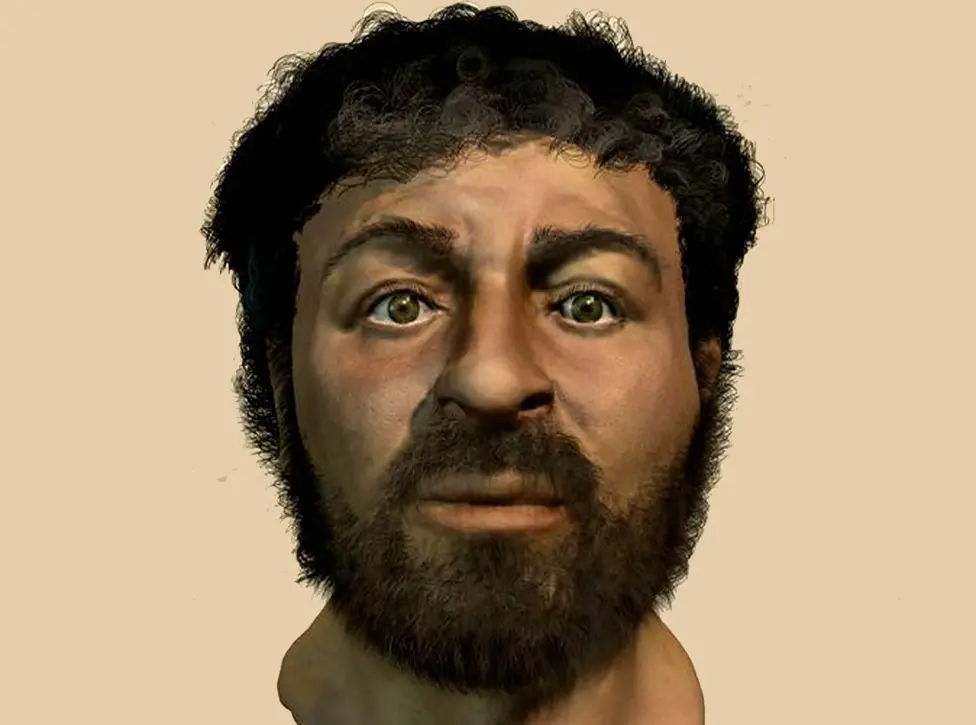
- In contrast to the above painting, Tim references the 3D model produced by Richard Neave and other forensics experts that depicts what an average Galilean man from the first century would have looked like. The model was produced for the BBC documentary series Son of God. The model and image are most commonly referred to as “The Forensic Face of Jesus” or “Popular Mechanics Jesus” due to its feature on the cover of Popular Mechanics Magazine.
- Check out Tim’s extensive collection of recommended books here.
SHOW MUSIC
- “Nob Hill Instrumental” by Drexler
SHOW CREDITS
Production of today's episode is by Lindsey Ponder, producer, and Cooper Peltz, managing producer. Aaron Olsen edited and remastered today's episode. JB Witty writes our show notes. Powered and distributed by Simplecast.
Hosted by Simplecast, an AdsWizz company. See pcm.adswizz.com for information about our collection and use of personal data for advertising.
14 August 2026, 7:00 am - 53 minutes 24 secondsSharing Grace (Remastered)
Why Church Matters E2 — Why is sharing our stuff so hard? And how does church play a critical role in helping us form this habit? In this second episode of a two-part series, Tim explores the portrait of the first church community in Acts 2, who committed to sharing their resources with each other. This demonstrates a core habit of the Church from the beginning: crossing over boundary lines to freely release our time and resources to other people. Tim gave this message at Door of Hope Church in Portland, Ore., on January 11, 2014.
OFFICIAL EPISODE TRANSCRIPT
View this episode’s official transcript.
REFERENCED RESOURCES
- Check out Tim’s extensive collection of recommended books here.
SHOW MUSIC
- “Nob Hill (Instrumental)” by Drexler
SHOW CREDITS
Production of today's episode is by Lindsey Ponder, producer, and Cooper Peltz, managing producer. Aaron Olsen edited and remastered today's episode. JB Witty does our show notes.
Hosted by Simplecast, an AdsWizz company. See pcm.adswizz.com for information about our collection and use of personal data for advertising.
7 August 2026, 7:00 am - 55 minutes 41 secondsA Life of Learning (Remastered)
Why Church Matters E1 — When people think of Christians, openness to new ideas is not usually the first thing that comes to mind. That's because we've lost a key part of the mindset of a “disciple,” a word that actually means “learner.” In this first episode of a two-part series, Tim explores the earliest depiction of the Church in Acts 2, where a group of people commit to each other and to Jesus so they can learn new ideas and form new habits of living and thinking together, all centered around Jesus. Tim gave this message at Door of Hope Church in Portland, Ore., on January 4, 2014.
OFFICIAL EPISODE TRANSCRIPT
View this episode’s official transcript.
REFERENCED RESOURCES
- Check out Tim’s extensive collection of recommended books here.
SHOW MUSIC
- “Nob Hill (Instrumental)” by Drexler
SHOW CREDITS
Production of today's episode is by Lindsey Ponder, producer, and Cooper Peltz, managing producer. Aaron Olsen edited and remastered today's episode. JB Witty does our show notes.
Hosted by Simplecast, an AdsWizz company. See pcm.adswizz.com for information about our collection and use of personal data for advertising.
31 July 2026, 7:00 am - 53 minutes 17 secondsA Renewed Creation (Remastered)
Heaven & Hell E4 — Everything we learn in the Bible about heaven and hell comes from a series of complex, ancient images, and it’s easy to misunderstand them. What do images of eternal death and everlasting fire refer to in their original context? And what do images of new creation and resurrection actually mean? In this final episode of a four-part lecture series, Tim brings everything together. He explores Jesus’ teaching on God’s final justice, as well as the apostles’ hopes for a renewed creation, which closes out the grand story of the Bible. Tim gave this message at Blackhawk Church in Madison, Wisc., on September 30, 2011.
OFFICIAL EPISODE TRANSCRIPT
View this episode's official transcript.
REFERENCED RESOURCES
- Find Tim’s study notes for this series here.
- Christian Theology by Millard J. Erickson
- The Great Divorce by C.S. Lewis
- Heaven by Randy Alcorn
- The Journey of Desire by John Eldredge
- The First and Second Letters to the Thessalonians by Gordon Fee
- Theology for the Community of God by Stanley J. Grenz
- Check out Tim’s extensive collection of recommended books here.
SHOW MUSIC
- “Nob Hill (Instrumental)” by Drexler
SHOW CREDITS
Production of today's episode is by Lindsey Ponder, producer, and Cooper Peltz, managing producer. Aaron Olsen edited and remastered today's episode. JB Witty writes our show notes. Powered and distributed by Simplecast.
Hosted by Simplecast, an AdsWizz company. See pcm.adswizz.com for information about our collection and use of personal data for advertising.
24 July 2026, 7:00 am - 27 minutes 32 secondsDivine Judgment and Resurrection Hope (Remastered)
Heaven & Hell E3 — The definitions of human life and death on pages 1-3 of the Bible are based on the idea that humans can live in a state of death. But the goal of God’s rescue mission is to take people out of “living death” and transfer them into a mode of “eternal life” here in the present. In this third episode of a four-part lecture series, Tim moves onto a new part of the story, which is the Old Testament vision of final justice. Why does God bring divine justice into human history, and what comes after it? Tim gave this message at Blackhawk Church in Madison, Wisc., on September 30, 2011.
OFFICIAL EPISODE TRANSCRIPT
View this episode's official transcript.REFERENCED RESOURCES
- Find Tim’s study notes for this series here.
- Check out Tim’s extensive collection of recommended books here.
SHOW MUSIC
- “Nob Hill Instrumental” by Drexler
SHOW CREDITS
Production of today's episode is by Lindsey Ponder, producer, and Cooper Peltz, managing producer. Aaron Olsen edited and remastered today's episode. JB Witty does our show notes.
Hosted by Simplecast, an AdsWizz company. See pcm.adswizz.com for information about our collection and use of personal data for advertising.
17 July 2026, 7:00 am - 45 minutes 10 secondsHeaven and Zombies (Remastered)
Heaven & Hell E2 — The biblical authors didn’t see death as something that just happens to you at the end of your physical life. Rather, both life and death are present realities, starting on page three of the Bible. (And believe it or not, zombies are a biblical idea!) In this second episode of a four-part lecture series, Tim tackles the biblical word for “heaven,” exploring what it does and does not mean, and then unpacks the language of life and death throughout the rest of the Bible. Tim gave this message at Blackhawk Church in Madison, Wisc., on September 30, 2011.
OFFICIAL EPISODE TRANSCRIPT
View this episode’s official transcript.
REFERENCED RESOURCES
- Find Tim’s study notes for this series here.
- Check out Tim’s extensive collection of recommended books here.
SHOW MUSIC
- “Nob Hill (Instrumental)” by Drexler
SHOW CREDITS
Production of today's episode is by Lindsey Ponder, producer, and Cooper Peltz, managing producer. Aaron Olsen edited and remastered today's episode. JB Witty does our show notes.
Hosted by Simplecast, an AdsWizz company. See pcm.adswizz.com for information about our collection and use of personal data for advertising.
10 July 2026, 7:00 am - More Episodes? Get the App