- Retail Link® Login: A Walmart Supplier’s Guide
There’s a lot of confusion about how to access Walmart’s supplier platforms, and Retail Link credentials are at the center of it. Retail Link is the starting point for the entire Walmart supplier ecosystem, and the same credentials that get you into Retail Link also give you access to Supplier One, which most suppliers access directly through Retail Link, and Scintilla, Walmart’s analytics platform.
This guide covers how to log in, what to do when you can’t, which portal you actually need, how to get access if you’re new, and how the help desk works. Bookmark it and share it with your team.
How to Log Into Walmart’s Retail Link®
The login URL is retaillink.login.wal-mart.com. It has been stable for years and is the right place to start, regardless of which Walmart supplier platform you’re trying to reach.
To log in, you’ll need your Retail Link credentials: your User ID, your email address, and your password. All are associated with your company’s 9-digit Walmart Vendor Number.
A note on multi-factor authentication: Walmart enforces MFA on Retail Link®. If you’re logging in for the first time, you’ll be prompted to set up your MFA device during the process. On routine sign-ins, you’ll receive a verification code to confirm your identity. If your MFA device changes, or you get a new phone number, you’ll need to contact the Retail Link® Help Desk to reset it, since MFA changes aren’t self-service.
Single sign-on: Once you’re logged into Retail Link®, the same credentials give you access to Supplier One, which most suppliers access directly through the Retail Link® application, and to Scintilla
 . You don’t need separate logins for each platform. Retail Link® serves as the SSO hub for Supplier One and Scintilla. Other Walmart supplier portals like High Radius and the transportation portal can be set up with the same credentials, though suppliers may choose to use different passwords for those.
Which Walmart Portal Do I Actually Need?
A lot of suppliers search for “Retail Link® login” when what they’re actually looking for lives in Supplier One or Scintilla
. All three platforms share the same login credentials. The question is just where to go once you’re in.Here’s a quick framework to point you in the right direction.
- Retail Link®: Are we executing correctly? OTIF and SQEP scorecards (also accessible via Supplier One), NOVA (PO maintenance), AP Disputes Portal, store and DC alignment, supplier agreements, SSO hub
- Supplier One: What needs action right now? Item management (replaced Item 360 as of Sept 18, 2024), order management, ship point management (replaced Aspen), payments and deductions
- Scintilla: What’s happening and why? Point-of-sale data, inventory analytics, sales reporting, demand forecasting, Market Basket analysis (Charter tier only). Replaced DSS on March 1, 2024. Free Basic tier and paid Charter tier
A simple way to think about them: Retail Link (operational), Supplier One (workflow), Scintilla (analytics).
Suppliers don’t choose between these platforms. They use all three.
I’m a New or Prospective Supplier: How Do I Get Access?
Access to Retail Link® depends on where you are in your Walmart relationship.
You already work for an approved Walmart supplier. If your company has a 9-digit Vendor Number and you’re a new team member who needs access, your company’s Retail Link® Site Administrator can add you. You’ll self-register under your supplier’s Vendor Number and your administrator approves the request.
Your company isn’t yet a Walmart supplier. You can begin the self-registration process through Retail Link®’s onboarding flow via the Distribution Channel section. One important note: self-registration starts the process but doesn’t guarantee acceptance. A Walmart merchant has to invite your company to an agreement before access is fully granted.
A few common gotchas to watch for during onboarding: DUNS number conflicts, selecting the wrong supplier type between domestic and direct import, and Canada-specific access groups which route through Global Business Services rather than the standard onboarding flow.
If you’re navigating Walmart onboarding for the first time and want experienced guidance, our New Supplier Checklist is a good place to start. Our consulting team is also happy to help you avoid the most common early mistakes.
What to Do If You Can’t Log In
Login issues are common. Here are the most frequent causes and what to do about each.
- Forgotten password. Password resets are not self-service in Retail Link®. You’ll need to contact the Retail Link® Help Desk to reset it.
- MFA device changed. If you got a new phone or changed your authentication method, your MFA needs to be reset. This also goes through the Help Desk.
- Account locked. Too many failed login attempts will lock your account. The Help Desk can unlock it.
- “Not Authorized” error. This usually means your account exists but your role or permissions haven’t been set up correctly. Check with your company’s Retail Link® Site Administrator first, then escalate to the Help Desk if needed.
- Agreement not yet finalized. New suppliers sometimes try to log in before their supplier agreement is fully executed. If your onboarding is still in progress, full access may not be available yet.
- Browser issues. Use a current version of Chrome or Edge. Make sure JavaScript is enabled. If a session is behaving strangely, clearing your cache and cookies often resolves it.
If you’re not sure whether you’re dealing with a credential issue or an account-state issue like a DUNS conflict or a pending agreement, the Help Desk is the right call.
Retail Link Help Desk
The Retail Link® Help Desk is your first call for login issues, password resets, MFA problems, and account access questions.
- Phone: 479-273-8888
- Toll-free / Global Business Services: 888-499-6377
When you call, have the following ready:
- Your 9-digit Vendor Number
- The email address associated with your Retail Link® account
- The exact error message you’re seeing, or a screenshot if possible
For issues that live inside Supplier One, things like item setup problems or order management questions, you’ll want to open a support ticket through Supplier One’s Help section rather than calling the Retail Link® Help Desk. The two systems have separate support pathways.
Logging In from Canada
There is no separate Retail Link portal for Canadian suppliers. Walmart Canada suppliers log into the same Retail Link at the same URL using the same credential structure. If your company supplies both Walmart US and Walmart Canada, it is possible to access both the US and Canadian Retail Link environments using the same credentials, making it straightforward to manage both businesses from one login.
Canada-specific onboarding, including viewing Canadian supplier agreements and certain access groups, routes through Global Business Services at 888-499-6377 rather than the standard domestic onboarding flow.
If you’re a Canadian supplier looking for hands-on guidance from an advisor based in Canada, 8th & Walton’s Canada office can be reached at 416.997.3951.
Is Retail Link® Going Away?
One of the more persistent sources of confusion in the supplier community is the idea that Retail Link® is going away. It isn’t.
What actually happened on March 1, 2024 was that Walmart sunset the Decision Support System (DSS) reporting features that had lived inside Retail Link® and migrated analytics to Scintilla
. Several industry publications described this as “Retail Link® sunsetting,” which led to real confusion among suppliers. The operational core of Retail Link®, including compliance scorecards, purchase orders, disputes, and supplier agreements, remained in place and is still there today.Suppliers should expect to spend more time in Supplier One and Scintilla
as those platforms continue to develop. But Retail Link® isn’t going anywhere.Frequently Asked Questions
What is the Retail Link® login URL?
The Retail Link® login URL is retaillink.login.wal-mart.com. It has been stable for years and is the correct starting point for accessing Retail Link®, Supplier One, and Scintilla
.Why isn’t my Retail Link® password working?
The most common causes are a forgotten password, an MFA device change, or an account that’s been locked after too many failed attempts. None of these are self-service fixes. Contact the Retail Link® Help Desk at 479-273-8888.
How do I reset my Retail Link® password?
Password resets go through the Retail Link® Help Desk. Call 479-273-8888 and have your Vendor Number and account email ready.
Is Retail Link® going away?
No. Retail Link® is not sunsetting. The DSS analytics features moved to Scintilla
in March 2024, but Retail Link® itself remains the operational core of the Walmart supplier relationship.Do I need a separate login for Supplier One?
No. Supplier One uses the same Retail Link® credential via single sign-on. Log into Retail Link® and access Supplier One from there, or go directly to supplierone.wal-mart.com using the same login.
How do I log into Retail Link® from Canada?
Canadian suppliers use the same Retail Link® login URL and credentials as domestic suppliers. For Canada-specific onboarding and access groups, contact Global Business Services at 888-499-6377.
Can I create a Retail Link® account if I’m not yet a Walmart supplier?
You can begin the self-registration process, but full access requires a Walmart merchant to invite your company to a supplier agreement. Self-registration starts the process. It doesn’t complete it.
What browser do I need to use Retail Link®?
Use a current version of Chrome or Edge with JavaScript enabled. If you experience session issues, clearing your cache and cookies is usually the first thing to try.
What is the Retail Link® Help Desk phone number?
The Retail Link® Help Desk can be reached at 479-273-8888. For toll-free access and Canadian suppliers, call 888-499-6377.
How do I become a Walmart supplier?
Becoming a Walmart supplier starts with getting a Walmart merchant interested in your product. Once invited, you’ll go through Retail Link®’s onboarding flow to set up your supplier agreement. Our New Supplier Checklist walks through what to expect, and our consulting team works with suppliers at every stage of the process.
Get Confident with Retail Link®
Logging in is the first step. Using Retail Link®, Supplier One, and Scintilla
well, understanding what each platform is telling you and acting on it before problems compound, is what actually moves your business forward.Most supplier teams we work with know enough to get by in these systems. Fewer have built the kind of fluency that lets them catch a compliance issue before it becomes a chargeback, work through AP disputes systematically, or pull the right Scintilla
report at the right moment in a buyer conversation.That gap is closeable. 8th & Walton offers customized training across Walmart Systems, Supply Chain, Accounting, and Item Management, built for supplier teams at every level.
The post Retail Link® Login: A Walmart Supplier’s Guide appeared first on 8th & Walton.
26 May 2026, 8:00 pm - What Is Retail Link®? Walmart’s Supplier Platform Explained
If you’re new to selling at Walmart, one of the first things you’ll hear is that you need to get into Retail Link®. If you’ve been a Walmart supplier for years, you’ve probably watched Retail Link® change around you, sometimes dramatically. Either way, the honest answer to “what is Retail Link®?” looks different today than it did even three years ago.
Walmart has spent the last several years evolving its supplier tools, and the platform looks meaningfully different today than it did even three years ago. Retail Link® remains the operational hub, housing applications like Supplier One for item and order management, and connecting suppliers to Scintilla
, Walmart’s dedicated analytics platform. High Radius, a separate portal for accounts receivable, rounds out the ecosystem. Understanding how these tools fit together is one of the most practical things a supplier team can know.This guide covers what Retail Link® is right now, what you can do in it, how it fits with Walmart’s other platforms, and why every active Walmart supplier still uses it every week.
What is Retail Link®?
Retail Link® is Walmart’s online portal where approved suppliers manage the operational side of their Walmart business. Think compliance scorecards, purchase orders, accounts payable disputes, store and distribution center information, supplier agreements, and single sign-on access to Walmart’s other supplier tools.
It lives at retaillink.login.wal-mart.com and is gated to suppliers with an approved 9-digit Vendor Number. If you’re doing business with Walmart, you’re in Retail Link®. There’s no alternative.
One important reframe for suppliers coming in fresh: Retail Link® is the operational core of the supplier relationship, not the analytics hub it once was. Point-of-sale data, sales reporting, and demand forecasting have moved to Scintilla. Many item and order management workflows now live in Supplier One. What remains in Retail Link® is everything related to compliance, performance, orders, and agreements, the foundational mechanics of how suppliers execute their Walmart business day to day.
A Brief History of Retail Link®
Retail Link® traces its roots to the early 1990s, when Walmart began sharing point-of-sale data electronically with key suppliers. It was one of the earliest large-scale retail data-sharing programs of its kind, and it gave Walmart suppliers a meaningful advantage in managing their business.
In 1997, Walmart moved Retail Link® to a web-based extranet, making it accessible via the internet to a much broader supplier base. Through the 2000s and 2010s, the platform expanded steadily, adding apps, scorecards, dashboards, and analytics tools that made it the central hub of the Walmart supplier relationship.
That began to shift in the early 2020s. Walmart launched Scintilla (originally called Walmart Luminate) in 2022 to house analytics and point-of-sale data, and launched Supplier One in early 2024 to unify item and order management workflows. On March 1, 2024, Walmart sunset the Decision Support System (DSS) features inside Retail Link®, completing the migration of analytics to Scintilla. Retail Link® didn’t go away. It refocused on what it does best.
What You Can Do in Retail Link® Today
Retail Link® is best understood today as the operational core. Here’s what lives there:
Purchase Order Management
Most purchase order management has moved to Supplier One, Walmart’s item and order management application within Retail Link®. Suppliers use Supplier One to track PO status, fill rates, shortages, and Must Arrive By Dates (MABD). NOVA, Walmart’s original PO application, remains in use for PO maintenance. Staying on top of both is essential for OTIF performance.
AP Disputes
The Accounts Payable Disputes Portal (APDP) lives within Retail Link® and is where suppliers dispute deductions withheld from invoice payments — chargebacks, claims, and other amounts Walmart has held back. If you’re not actively working your disputes in APDP, you’re almost certainly leaving money uncollected.
For accounts receivable, money owed from suppliers to Walmart, Walmart uses a separate tool called High Radius, accessed at walmart.highradius.com with its own login credentials. New suppliers need to request access by emailing [email protected]. The two tools are complementary but distinct, and it’s worth making sure your team knows which one handles which side of the ledger.
Store and Distribution Center Alignment
Retail Link® maintains the most current list of Walmart stores, divisions, and DC alignment, including future stores with grand opening dates. This is the reference suppliers use when mapping distribution and planning new item rollouts.
Distribution Channel and Agreements
Supplier agreements, onboarding workflows, and access to the Walmart Supplier Academy all live within Retail Link®’s Distribution Channel section.
The SSO Hub
Perhaps the most underappreciated function: Retail Link® is the single sign-on point for Supplier One and Scintilla. One login, three tools. Your Retail Link® credentials are your key to Walmart’s full supplier ecosystem.
Retail Link® vs. Supplier One vs. Scintilla
: How They Fit TogetherWalmart’s supplier ecosystem is three tools working together, not one platform trying to do everything. Suppliers don’t choose between them; they use all three. Here’s how they divide the work:
- Retail Link®: Are we executing correctly? OTIF and SQEP scorecards, NOVA (PO management), AP Disputes Portal, store and DC alignment, supplier agreements, SSO hub.
- Supplier One: What needs action right now? Launched 2024. Item management (replaced Item 360), order management, ship point management (replaced Aspen), growth programs.
- Scintilla: What’s happening and why? Formerly Walmart Luminate, launched 2022. Point-of-sale data, inventory analytics, sales reporting, and demand forecasting. Replaced DSS on March 1, 2024. Available in a free Basic tier and paid Charter tier. Note: Market Basket analysis is available in the Charter tier only.
A useful way to think about it: Retail Link® tells you whether you’re meeting Walmart’s operational requirements. Supplier One is where you manage the work of being a supplier. Scintilla is where you understand your business performance and make strategic decisions.
If you want to go deeper on either of the connected platforms, our Walmart Supplier One guide and Scintilla Hub are good places to start.
Is Retail Link® Going Away?
No. Retail Link® is not sunsetting.
This misconception gained traction around March 2024, when Walmart sunset the DSS features inside Retail Link® and migrated analytics to Scintilla. Several industry publications characterized this as “Retail Link® is going away,” which led to real confusion among suppliers.
What actually happened is more precise: the analytics layer of Retail Link® moved to a dedicated platform. The operational core, covering compliance, scorecards, purchase orders, disputes, and agreements, stayed in Retail Link® and remains there today.
Suppliers should expect to spend more time in Supplier One and Scintilla as those platforms mature. But Retail Link® isn’t going anywhere. If you’re doing business with Walmart, you’re using Retail Link®.
Why Every Walmart Supplier Uses Retail Link®
There’s a short answer and a longer one.
The short answer: because Walmart requires it. Retail Link® is the entry point to the supplier relationship. There’s no workaround and no alternative.
The longer answer: because the data in Retail Link® directly affects your business outcomes. Your OTIF score determines whether Walmart fines you for late or short deliveries. Your SQEP score signals to buyers whether you’re a reliable partner. Your AP disputes, if left unworked, become permanent deductions. The store and DC alignment data shapes how you distribute and plan.
Suppliers who treat Retail Link® as a passive reporting tool, somewhere to check occasionally, tend to be reactive. Suppliers who treat it as an active management tool tend to catch problems early, dispute chargebacks successfully, and show up to buyer conversations with data that builds credibility.
Mastering Retail Link® and knowing how it connects to Supplier One and Scintilla
is one of the highest-leverage things a supplier team can invest time in. It’s also one of the most common gaps we see, even among suppliers who have been at Walmart for years.Frequently Asked Questions
What is Retail Link®?
Retail Link® is Walmart’s supplier portal, where approved vendors manage the operational side of their Walmart business, including compliance scorecards, purchase orders, accounts payable disputes, store and DC information, and supplier agreements. It also serves as the single sign-on hub for Supplier One and Scintilla
.Who owns Retail Link®?
Retail Link® is owned and operated by Walmart. It is not a third-party platform.
When was Retail Link® launched?
Walmart began sharing point-of-sale data electronically with suppliers in the early 1990s. The web-based version of Retail Link® launched in 1997.
Is Retail Link® free for suppliers?
Yes. Access to Retail Link® is provided to approved Walmart suppliers at no cost.
Is Retail Link® going away?
No. Retail Link® remains active and is the operational core of the Walmart supplier relationship. The analytics features (DSS) moved to Scintilla
in March 2024, but Retail Link® itself continues to house compliance, scorecards, orders, disputes, and agreements.What’s the difference between Retail Link® and Supplier One?
Retail Link® handles compliance, scorecards, purchase orders, and disputes, the operational mechanics of the supplier relationship. Supplier One handles item management, order workflows, ship point management, and payments. Both evolved from Retail Link®’s infrastructure, but they serve distinct purposes.
What’s the difference between Retail Link® and Scintilla
?Retail Link® is where suppliers manage operational compliance. Scintilla
is where suppliers analyze business performance, covering point-of-sale data, inventory, sales trends, demand forecasting, and Market Basket analysis. Think of Retail Link® as execution and Scintilla as insight.Can I access Retail Link® without being a Walmart supplier?
No. Retail Link® is gated to suppliers with an approved 9-digit Vendor Number. Access requires going through Walmart’s supplier onboarding process.
¿Qué es Retail Link®?
Retail Link® es el portal en línea de Walmart para proveedores aprobados. Es la plataforma donde los proveedores gestionan el lado operativo de su relación comercial con Walmart: órdenes de compra, cumplimiento de métricas, disputas de cuentas por pagar, información de tiendas y centros de distribución, y acuerdos con proveedores. También funciona como el punto de acceso único para Supplier One y Scintilla, las otras dos plataformas del ecosistema de proveedores de Walmart.
How do I learn to use Retail Link®?
8th & Walton offers hands-on training in Retail Link® and the full Walmart supplier ecosystem, including Supplier One and Scintilla. Our Walmart Systems training is designed for supplier teams at every level, from first-time users to experienced operators looking to go deeper.
Learning Retail Link® Well: Where to Go From Here
Knowing what Retail Link® is matters. Using it well and understanding how it connects to Supplier One and Scintilla is what actually moves the business.
Most supplier teams we work with know their way around Retail Link® well enough to get by. Fewer have built the kind of fluency that lets them catch a compliance issue before it becomes a chargeback, work their AP disputes systematically, or use the platform’s data to show up to a buyer conversation with something worth saying.
That gap is closeable. 8th & Walton offers customized training across Walmart Systems, Supply Chain, Accounting, and Item Management, built for supplier teams who want to operate with confidence across the full Walmart ecosystem.
Talk to a Walmart advisor today.
The post What Is Retail Link®? Walmart’s Supplier Platform Explained appeared first on 8th & Walton.
21 May 2026, 9:00 am - PathFinders Client Spotlight: How a Seasonal Food Supplier Built a Data-Backed Growth Strategy at Walmart
Running a successful seasonal program at Walmart takes more than a great product. It takes knowing how to read your numbers inside Walmart’s systems, understanding what those numbers mean for your next conversation with your merchant, and having a plan ready when the season ends and the real work begins.
That’s exactly where one of our PathFinders clients found themselves after a strong Walmart season. A family-owned food supplier with a beloved regional product and real momentum at Walmart, they wanted to take what was working and build on it. The question was how.
That’s what they brought to PathFinders advisor Sean Presley.
Turning a Good Season Into a Clear Story
This supplier’s product has deep regional roots and a concentrated selling window, just a few weeks around a cultural holiday that drives enormous demand in core markets. The season went well. Sell-through was strong and customers responded. But like many suppliers running a tight, focused operation, their energy during the season goes into executing, not analyzing. There hadn’t been a structured way to pull the performance data together, make sense of it, and shape it into something they could take back to Walmart.
Sean built that for them.
What PathFinders Actually Did
Throughout the season, Sean pulled weekly sell-through data and sent the supplier a simple, readable tracker covering which DCs were moving product, units sold by store, current on-hand inventory, and week-over-week trends. It gave the team real-time visibility into their business at Walmart without pulling them away from running it.
“They would ship everything and hold their breath,” Sean noted in a debrief with our team. “Now they can actually track it and understand what’s going on.”
Not sure what your Walmart data is really telling you?
Many suppliers have strong performance — but no clear way to translate it into growth.
Fill out the form below to get expert help turning your data into a strategy.
At season’s end, Sean built a full performance recap deck, the kind of presentation a Walmart merchant expects from a supplier that knows its business. It covered sell-through, units per store per week, OTIF performance, and return rate. The numbers told a strong story. But digging deeper into the markdowns surfaced something worth fixing.
Finding the Hidden Opportunity in the Markdown Data
The supplier’s end-of-season markdowns were higher than their overall performance would suggest. When Sean worked through the data, the culprit was structural: the product carried a five-day shelf life, and Walmart’s standard markdown protocol kicks in two days before the sell-by date. That left just three days at full price before stores started cutting it, regardless of how well the product was actually selling.
It wasn’t a reflection of demand or quality. It was simply how the math worked given the current shelf life, and it was something that could be fixed.
Sean flagged it and the supplier engaged a third-party lab to test the product’s actual shelf life. The result: the product was good for ten days, not five. Updating the label is projected to dramatically reduce markdowns next season, keep the product at full price longer, and improve how the brand shows up on shelf. It’s the kind of detail that only surfaces when someone is looking at the full picture.
From Season Recap to Growth Pitch
With a clear performance story in hand, Sean built the case for expansion. Using Google My Maps, he plotted current distribution against the full Walmart store network and identified 282 additional stores within 30 miles of existing locations in proven demand clusters: Houston, Atlanta, Birmingham, and Northwest Arkansas.
Northwest Arkansas made the point well. The supplier had just three stores in the market. Those stores sold through so fast that Walmart issued a second replenishment order, which also sold at 97%. The opportunity to grow in that market was obvious once the data made it visible.
The pitch going to the merchant isn’t “we’d like more stores.” It’s: here are the markets where demand is proven, here’s how many stores we should be in, and here’s the data that backs it up. That deck also includes the shelf life testing results, a new smaller-format product the merchant had specifically requested, and a conversation about earlier PO timing to improve planning and cash flow on both sides.
They’re walking into the next line review as a supplier with a plan and a partner who helped them build it.
The Off-Season Is Where Growth Happens
For seasonal suppliers, the quiet period after your season ends is actually when the next one gets won or lost. PathFinders pairs you with a dedicated Walmart expert, backed by a full team of specialists, so you stay ahead of what’s coming, understand what your numbers are telling you, and walk into your next merchant conversation with confidence. You own the buyer relationship. We help you make the most of it.
If that sounds like what you need, let’s talk.
The post PathFinders Client Spotlight: How a Seasonal Food Supplier Built a Data-Backed Growth Strategy at Walmart appeared first on 8th & Walton.
28 April 2026, 9:22 pm - What Does Rollback Mean at Walmart?
If you’ve spent any time in a Walmart store or on Walmart.com, you’ve seen the word “Rollback” on red shelf tags and product listings. But what exactly is a Walmart Rollback, and how is it different from a sale or clearance? If you’re a Walmart supplier, there’s even more to understand, because Rollbacks affect your business in ways that go well beyond the shelf tag.
Here’s everything you need to know.
What Is a Walmart Rollback?
A Walmart Rollback is a temporary price reduction on a specific item. It’s not a sale, and it’s not clearance — it’s Walmart’s way of passing along a lower cost to customers on top of their already competitive Everyday Low Price (EDLP) strategy.
Rollbacks are typically displayed with “Was/Now” signing, so customers can see both the original price and the reduced Rollback price. They usually last up to 90 days before the item returns to its regular price.
Walmart’s pricing philosophy is built around EDLP (Every Day Low Price), the idea that customers should always be able to trust Walmart to have a low price without needing coupons, sales events, or special promotions to get it. A Rollback fits within that philosophy: it’s not a gimmick or a promotional event, it’s simply a temporary cost reduction that Walmart is passing on to the shopper.
Why Does Walmart Use Rollbacks?
Rollbacks serve a few purposes for Walmart. They give the retailer a way to respond to cost changes in the supply chain. When a supplier’s costs come down, Walmart can pass those savings along to customers in the form of a Rollback. They also help drive velocity on specific items, support category performance, and give buyers a tool to respond to competitive pricing pressure.
For customers, Rollbacks reinforce the trust that Walmart’s pricing is always working in their favor. For suppliers, they’re a signal that Walmart is paying close attention to your item’s cost structure and expecting you to do the same.
Key Features of Walmart Rollbacks
Understanding what makes a Rollback distinct helps suppliers navigate them more effectively. Here are the defining characteristics:
- Temporary duration. Rollbacks typically last up to 90 days. At the end of the Rollback period, the item returns to its original price– unlike clearance, which is a one-way journey down.
- Was/Now pricing. Rollbacks are always displayed at a price point, not a percentage. The original price and the Rollback price are shown together so customers can see the value clearly.
- Item-specific. Each Rollback is unique to a specific item. One product in a category may be on Rollback while a competing product right next to it is not.
- Requires pricing history. An item must have an established price history at Walmart before it can qualify for a Rollback. New items launching at Walmart cannot debut on Rollback — there’s no “Was” price to anchor the “Now” price.
- Available online and in-store. Rollbacks are not exclusive to brick-and-mortar Walmart stores. Items can be flagged as Rollback on Walmart.com as well, with the same Was/Now pricing displayed.
Walmart Rollback vs. Sale vs. Clearance
These three terms often get used interchangeably, but they work very differently. Here’s how they compare:
Rollback vs. Sale
A traditional retail sale is typically event-driven– a Labor Day sale, a back-to-school promotion, or a percentage-off event tied to a marketing push. Rollbacks are none of those things. They don’t have a theme, they’re not advertised as part of a promotional calendar, and they’re expressed as a price point rather than a percentage discount. A sale creates urgency around an event. A Rollback is simply a lower price on a specific item for a defined period.
Rollback vs. Clearance
This is where the distinction really matters. Clearance items are products Walmart is discontinuing, overstocked on, or clearing out at the end of a season. The goal is to sell through remaining inventory, often at progressively deeper discounts, and not reorder.
Rollback items, by contrast, are permanent assortment items that will be restocked when sold through. They return to their regular price at the end of the Rollback period. And unlike some clearance items, Rollback items can be returned to Walmart because they’re staple products, not one-time inventory.
One important nuance: a Rollback item can become a clearance item. If Walmart puts an item on Rollback expecting sales to increase and they don’t, Walmart may decide the item doesn’t belong on the shelf. The item could then be moved to clearance and marked down further to clear remaining inventory.
How Rollbacks Affect Walmart Suppliers
For suppliers, Rollbacks are more than a shelf tag update. They have real implications for your margins, your supply chain, and your relationship with your buyer.
- Rollbacks are often supplier-funded. When a buyer asks for a Rollback, they’re typically asking the supplier to absorb part or all of the price reduction. That means your margin takes a hit for the duration of the Rollback period. This is worth understanding before you agree to one– and worth planning for in your cost structure.
- They’re tied to third-party audits. Rollback pricing and price changes are areas where third-party auditors look for discrepancies. If your Rollback was agreed upon verbally or without proper documentation, you could face unexpected claims. Getting the details in writing– dates, quantities, pricing– is essential.
- They drive volume expectations. When Walmart sets a Rollback price, they expect item velocity to increase. If it doesn’t, your item may be at risk. A Rollback that doesn’t deliver sales can be a warning sign to your buyer that the item isn’t performing and may lead to reduced shelf space or discontinuation.
- They require planning. A poorly planned Rollback, one that isn’t timed correctly, doesn’t have proper documentation, or creates supply chain strain, can create more problems than it solves. Make sure your dates and quantities are clearly defined and that your supply chain can support increased volume.
How Suppliers Can Prepare for Rollbacks
If your buyer brings up a Rollback, or if you’re considering proposing one, here’s how to set yourself up for success:
- Run the numbers first. Know exactly what the Rollback will cost you before you agree to it. Factor in the price reduction, the expected volume increase, and any incremental supply chain costs. A Rollback that drives volume but erodes margin beyond what you can sustain isn’t a win.
- Get everything in writing. Verbal agreements around pricing changes are one of the most common sources of supplier disputes and audit claims. Confirm dates, quantities, and pricing in writing and make sure approval comes from the right level.
- Coordinate your supply chain. If a Rollback is successful, demand will increase. Make sure your replenishment team, your warehouse, and your logistics partners know what’s coming so you can keep the item in stock throughout the Rollback period. An out-of-stock during a Rollback is a missed opportunity and a red flag for your buyer.
- Communicate proactively. If anything changes– production delays, cost changes, supply issues– let your buyer know early. The suppliers who handle Rollbacks best are the ones who stay ahead of their buyer with accurate, timely information.
Walmart Rollback FAQ
How does the Walmart Rollback work?
A Walmart Rollback is a temporary price reduction on a specific item, typically lasting up to 90 days. The item is displayed with Was/Now pricing and returns to its original price at the end of the Rollback period. The cost of the reduction is often shared between Walmart and the supplier.
How long do Walmart Rollbacks last?
Rollbacks typically last up to 90 days. The exact duration is determined by Walmart and should be confirmed in writing with your buyer.
Does Walmart Rollback online items?
Yes. Rollbacks are available both in Walmart stores and on Walmart.com. Online Rollback items are flagged with Was/Now pricing just like in-store items.
Can any item be placed on Rollback?
Not exactly. Items must have an established price history at Walmart before qualifying for Rollback. New items cannot debut on Rollback since there’s no original price to reference. Items must also be permanent assortment items, not seasonal or one-time buys.
How does Walmart decide what goes on Rollback?
Rollback decisions are typically driven by buyers and are influenced by factors like supplier cost changes, competitive pricing, category performance goals, and overall EDLP strategy. Suppliers can also propose Rollbacks to their buyers, though approval is at Walmart’s discretion.
What is the difference between Rollback and clearance?
Rollback items are permanent assortment items on a temporary price reduction that will return to their original price. Clearance items are products being discontinued or cleared out, often at progressively lower prices, with no intention of restocking.
Are Walmart Rollback prices permanent?
No. Rollbacks are temporary, typically lasting up to 90 days. The item returns to its original price after the Rollback period ends.
Is Walmart Rollback only in stores?
No. Rollbacks are available both in Walmart stores and on Walmart.com.
Can Rollback items be returned at Walmart?
Yes. Because Rollback items are permanent assortment products, they follow Walmart’s standard return policy. This is one of the key differences between Rollback and clearance items, which may have return restrictions.
How 8th & Walton Can Help
Rollbacks are one piece of a much larger picture when it comes to managing your Walmart business. Whether you’re navigating a buyer’s pricing request, trying to understand how a Rollback fits into your cost structure, or looking for support with supply chain planning, 8th & Walton’s team of Walmart experts can help you make the right call.
Our PathFinders consulting program gives you a fractional Walmart team: advisors with deep Walmart experience who work as an extension of your business, so you always have the right expertise in your corner when it matters most.
Conclusion
A Walmart Rollback is a temporary price reduction on a permanent assortment item– distinct from both a traditional sale and clearance in some important ways. For shoppers, it’s a straightforward offer: a lower price for a defined period of time. For suppliers, it’s a strategic tool that requires careful planning, clear documentation, and a solid understanding of what you’re agreeing to.
If you’re a Walmart supplier and want to make sure you’re handling Rollbacks, and every other part of your Walmart relationship, the right way, we’re here to help.
The post What Does Rollback Mean at Walmart? appeared first on 8th & Walton.
24 April 2026, 7:00 pm - How One Supplier Kept Their Walmart Distribution and Their Relationship Through a Supply Crisis
Every Walmart supplier dreads the call. Production is down, inventory is depleted, and one of your most important items is going to be out of stock — not for a week, but for months. During peak season.
It happened to one of our clients. And they came out the other side with their full distribution intact, their buyer’s trust strengthened, and new product rollouts moving forward as planned. Here’s what they did differently.
The Situation
This supplier had built a strong, multi-item presence at Walmart over several years. They had a track record of reliable performance, a solid buyer relationship, and a growing assortment that included licensed products and premium goods. Then production challenges hit — and hit hard. Several key items went out of stock for months, right through their most critical selling season.
The pressure wasn’t just on the supplier. Their buyer was fielding questions from their leadership about the out-of-stocks week after week. The relationship was being tested at every level.
What They Did Right
Rather than going quiet or managing the situation reactively, this supplier did something that sounds simple but is surprisingly rare: they told the truth, on time, every time.
They kept their buyer consistently informed about what was happening, why it was happening, and what the timeline to resolution looked like. They didn’t overpromise. They gave specific dates — and then they hit them.
That last part is critical. It’s easy to communicate. It’s harder to follow through. This supplier did both.
The Outcome
At their line review, their buyer said something that every supplier hopes to hear but rarely does in the middle of a crisis:
“You handled this in a textbook way. I’m not cutting your distribution because of how you managed it.”
Full distribution. Licensed assortment intact. New product rollout moving forward. The supplier absorbed a difficult season and emerged with the relationship stronger than before.
Dealing with a Walmart supply issue right now?
The way you communicate and respond can determine whether you keep or lose distribution.
Fill out the form below to talk through your situation with our team.
Why It Worked
A few things made this possible — and they’re worth understanding, because not every supplier would have been able to pull this off.
They had equity to draw on. Years of strong performance had built real goodwill with their buyer. When the crisis hit, the buyer’s instinct was to trust them — because history said they deserved that trust. That equity doesn’t appear overnight. It’s built one on-time shipment, one accurate forecast, one honest conversation at a time.
They understood what their buyer needed. A Walmart buyer isn’t just managing a category — they’re managing up. They have leadership asking questions, and they need answers they can actually use. When this supplier gave their buyer accurate, timely information, they gave them something to stand behind. That matters more than most suppliers realize.
They committed to dates they could keep. There’s nothing worse than a supplier who buys time with optimistic timelines they can’t deliver on. Every missed self-imposed deadline erodes credibility. This supplier was conservative, accurate, and consistent — which made their buyer’s job possible even in a hard situation.
The Bigger Lesson
There is always a best way to handle a bad situation — and a worse way. The difference between the two often determines whether you have a chance to recover, or no chance at all.
At 8th & Walton, we work with suppliers at every stage of their Walmart journey — including the hard ones. If your business is navigating a supply disruption, a compliance issue, or a difficult buyer conversation, we can help you figure out the right move. Because how you handle it matters just as much as what happened in the first place.
Learn how PathFinders consulting supports suppliers through challenges like these
The post How One Supplier Kept Their Walmart Distribution and Their Relationship Through a Supply Crisis appeared first on 8th & Walton.
2 April 2026, 10:36 pm - What Is Walmart Connect? How to Advertise on Walmart
Walmart is the largest retailer in the world, and for suppliers, that reach isn’t just a selling opportunity — it’s an advertising one too.
Walmart Connect is Walmart’s retail media platform, giving suppliers and marketplace sellers the ability to put their products in front of the right customers at the right moment — whether they’re searching on Walmart.com, browsing the app, or walking through a store. With more than 150 million weekly shoppers and $4.4 billion in ad revenue in fiscal year 2024, Walmart Connect has grown into one of the most powerful retail media networks in the country.
As an official member of the Walmart Connect Partner Network, 8th & Walton is uniquely positioned to help suppliers navigate this platform — combining deep Walmart expertise with formal recognition within Walmart’s retail media ecosystem.
In this guide, we’ll walk you through everything you need to know — what Walmart Connect is, how it works, the advertising options available, how to get started, and how to use it effectively as a Walmart supplier.
What Is Walmart Connect?
Walmart Connect is the media division of Walmart, built to help suppliers and marketplace sellers reach Walmart customers through targeted advertising across digital, in-store, and off-site channels. Think of it as Walmart’s answer to retail media — a platform that turns Walmart’s massive shopper data into a precision advertising tool for the brands that sell there.
Formerly known as Walmart Media Group, the platform was rebranded to Walmart Connect in 2021 to reflect its broader ambition: connecting brands with customers across every touchpoint in the shopping journey, not just on Walmart.com.
What makes Walmart Connect different from a traditional digital ad platform is the data behind it. Because Walmart operates both online and in thousands of physical stores, it has access to a rare combination of online browsing behavior and real in-store purchase history. That first-party data powers every campaign on the platform — helping your ads reach shoppers who are already in a buying mindset, rather than just browsing the internet.
Campaigns are managed through Walmart Connect Ad Center, a self-serve platform where suppliers can build, launch, and optimize campaigns with full visibility into performance. Whether you’re running your first sponsored product ad or managing a full-funnel omnichannel strategy, Ad Center is where it all happens.
What Are the Benefits of Walmart Connect?
Here are the advantages of working with Walmart Connect:
- Unmatched Audience Reach: Walmart serves more than 150 million customers every week across its stores, website, and app. That’s not just a large audience — it’s an audience that’s already shopping. Walmart Connect gives you direct access to those customers at the moment they’re most likely to buy.
- Powerful First-Party Data: Because Walmart owns both the retail and the media platform, it can offer something most ad networks can’t: targeting built on actual purchase behavior. You’re not guessing at intent based on browsing habits — you’re reaching customers based on what they’ve already bought, searched for, and put in their cart, both online and in-store.
- Omnichannel Advertising: Walmart Connect bridges the gap between digital and physical retail in a way few platforms can. You can run campaigns that reach customers on Walmart.com, the Walmart app, in-store digital screens, and even across the broader web — all within a single platform. For suppliers selling in stores, this is a meaningful advantage.
- Improved Search Visibility: Sponsored Search ads can help your products appear higher in Walmart’s search results, which matters enormously in competitive categories. If your item isn’t showing up in the first dozen results, Walmart Connect is one of the most direct ways to change that.
- A Strong Platform for New Product Launches: Launching a new item at Walmart is one of the hardest moments in a supplier’s journey. Walmart Connect gives new listings a fighting chance by driving early traffic, generating initial sales velocity, and building the kind of momentum that helps an item establish itself in search rankings organically over time.
- Measurable Results: Walmart Connect’s reporting tools give you a clear view of how your campaigns are performing — impressions, clicks, conversions, and return on ad spend — so you’re never left guessing. Walmart’s closed-loop measurement even allows you to track the impact of your ads from initial exposure all the way through to purchase, both online and in-store.
Walmart Connect Advertising Options
Walmart Connect offers a range of ad formats designed to reach customers at every stage of the shopping journey — from initial discovery all the way through to purchase. Here’s a breakdown of what’s available:
Sponsored Products
Sponsored Products are the most widely used ad format on Walmart Connect, and for good reason. These cost-per-click ads appear throughout Walmart’s search results, category pages, and product detail pages, putting your items in front of customers who are actively searching for products like yours. Within Sponsored Products, there are several placement options:
- Search In-Grid — Ads appear directly within search results, blending naturally with organic listings while maintaining prominent visibility. You only pay when someone clicks, and you control your bids and daily budget.
- Personalized Carousels — Appear on the homepage and relevant item pages, featuring up to eight sponsored products based on a customer’s recent search and browse behavior. Particularly effective for reaching shoppers earlier in their discovery process.
- Buy Box — Placement appears on product detail pages, showcasing your item as an alternate or complementary option to what the shopper is already viewing. A competitive but high-visibility placement that rewards strong bids and high relevancy scores.
Sponsored Brands
Sponsored Brands ads appear at the top of search results and feature your brand logo alongside up to four products with shoppable links. You can also add a Custom Image that displays prominently on the Walmart app — a valuable placement that takes up significant screen space and appears in addition to your brand logo.
This format is especially valuable for smaller or newer brands that don’t yet have strong organic search rankings, as it provides immediate top-of-page visibility and helps build brand recognition alongside product sales.
Sponsored Videos
Sponsored Videos are short video ads that appear within search results, helping your brand stand out in a crowded feed. They’re particularly effective for products that benefit from demonstration — anything where showing beats telling — and for showcasing alternative use cases that help shoppers see your product in a new light.
Walmart buyers increasingly want to see suppliers highlight these alternate uses, making Sponsored Videos a strategic format beyond just driving direct sales. They work well alongside Sponsored Products and Sponsored Brands as part of a broader search strategy.
Onsite Display
Onsite Display ads use eye-catching visuals to reach shoppers across Walmart’s site and app — on the homepage, search pages, category pages, and item pages.
Unlike Sponsored Search, which targets customers actively searching for a product, Onsite Display uses Walmart’s first-party data to reach customers based on their browsing and purchase history, making it a strong tool for building brand awareness and driving consideration earlier in the funnel.
Offsite Media
Walmart Connect also allows suppliers to reach Walmart shoppers beyond Walmart’s own properties. Through partnerships with platforms including The Trade Desk, TikTok, and Roku — part of Walmart Connect’s Connected TV (CTV) strategy —offsite media campaigns use Walmart’s first-party data to target Walmart customers as they move across the broader web, social media, and streaming platforms.
It’s a powerful way to reinforce your message and drive shoppers back to Walmart.
In-Store Advertising
For suppliers selling in physical Walmart locations, in-store advertising options include digital screens, self-checkout kiosks, television wall placements, and in-store audio. With over 170,000 digital screens across more than 4,700 United States stores, these placements offer a unique opportunity to influence purchase decisions at the exact moment a customer is in the aisle.
Walmart Connect now also offers In-Store Demos through the platform, giving suppliers another hands-on way to engage shoppers directly at the point of purchase.
Brand Shop and Shelf
Brand Shop is a virtual storefront on Walmart’s site that lets eligible suppliers tell their brand story, showcase their full product assortment, and create an always-on destination for customers to explore. Shelf acts as a shoppable landing page that supports specific media activations. Both are self-serve tools available through Ad Center.
Walmart Connect Targeting Options
One of the most compelling aspects of Walmart Connect is the quality of the data behind its targeting. Because Walmart operates at the intersection of online and in-store shopping, the targeting options available here go deeper than most digital advertising platforms. Here’s what suppliers can work with:
Keyword Targeting
Keyword targeting allows you to serve ads to customers based on the specific search terms they use on Walmart.com. You select the keywords most relevant to your products, set bids for each, and your ads appear when customers search those terms. This is the most direct way to reach high-intent shoppers — people who are actively looking for what you sell.
Automatic Targeting
If you’re new to Walmart Connect or want to gather data before going fully manual, automatic targeting is a good starting point. Walmart’s algorithm selects keywords and placements on your behalf based on your product information and category, testing what works and building a performance foundation. It requires less hands-on management and can surface keyword opportunities you might not have thought to target manually.
Behavioral Targeting
Behavioral targeting uses Walmart’s first-party purchase and browsing data to reach customers based on what they’ve actually done — what they’ve bought, searched for, and engaged with — both on Walmart.com and in physical stores. This is one of Walmart Connect’s most powerful differentiators, giving suppliers access to targeting signals that most ad platforms simply don’t have.
Contextual Targeting
Contextual targeting places your ads alongside relevant content and product categories, reaching customers who are browsing in spaces related to your product, even if they haven’t searched for it directly. This is particularly useful for driving discovery among shoppers who might not know your product exists yet.
Audience Targeting
Walmart Connect allows you to build and target specific audience segments based on demographics, life stage, and shopping patterns. Want to reach households with young children, frequent grocery buyers, or customers who recently purchased in your category? Audience targeting makes that level of specificity possible.
Keyword Retargeting
Keyword retargeting allows you to re-engage customers who have previously searched for relevant terms on Walmart.com but didn’t convert. These are warm audiences — shoppers who have already demonstrated interest — making them some of the highest-value customers you can reach.
Run of Site
Run of Site targeting places your display ads broadly across Walmart’s site and app without restricting to specific audiences or keywords. It’s a useful tool for maximizing reach and brand awareness when your goal is visibility at scale rather than precision targeting.
Getting Started With Walmart Connect Ad Center
Walmart Connect Ad Center is the self-serve platform where you build, launch, and manage your campaigns. Getting started is more straightforward than many suppliers expect. Here’s how to do it:
- Confirm Your Eligibility: Before you can advertise on Walmart Connect, you need to be an approved Walmart supplier or marketplace seller in good standing. Make sure your product listings are live, accurate, and meet Walmart’s content quality standards — ad placement is influenced by listing quality, so this step matters more than it might seem.
- Access Walmart Connect Ad Center: Go to advertising.walmart.com and sign in using your Supplier Center or Seller Center credentials. If you’re a first-time user, you’ll complete a brief account setup process that includes your business information, product categories, and payment details. Account approval typically takes one to two business days.
- Set Your Campaign Objective: Before logging into Ad Center, define what you want your campaign to accomplish. Are you launching a new product and need early visibility? Trying to defend search placement in a competitive category? Building brand awareness ahead of a seasonal event? Your objective will shape every decision that follows — ad format, targeting approach, and budget.
- Choose Your Campaign Type and Ad Format: Select the ad format that best fits your goal. For most suppliers getting started, Sponsored Products is the recommended entry point — it’s the most widely used format, the easiest to set up, and delivers strong results for driving search visibility and sales. As you grow more comfortable with the platform, you can layer in Sponsored Brands, Sponsored Videos, and Onsite Display.
- Select Your Targeting Approach: For your first campaign, Walmart recommends Automatic targeting. The platform selects keywords and placements on your behalf, tests what’s working, and builds a performance dataset you can learn from. Once you have enough data, you can transition to Manual targeting for greater control over specific keywords and bids.
- Set Your Budget and Bids: Set a daily budget and total campaign budget. Walmart recommends a minimum daily budget of $100 to maintain visibility during peak shopping hours and give the algorithm enough room to optimize. If you’re using manual bidding, set bids at the item level based on each product’s margin, price point, and how competitive its category is. Dynamic bidding is also available and adjusts your bids in real time to improve conversion efficiency.
- Select Your Products: Choose the products you want to promote. For best results, start with your ten to fifteen best-selling items or the products most important to your current business goals. A focused product set gives the algorithm enough data to work with while keeping your campaigns manageable and easy to analyze.
- Launch and Monitor: Once your campaign is live, give it time to gather data before making significant changes. Check performance regularly through Ad Center’s reporting dashboard, which tracks impressions, clicks, conversions, and return on ad spend. Use those insights to adjust bids, swap in stronger products, and refine your targeting over time.
How to Use Walmart Connect Like a Pro
Getting your first campaign live is just the beginning. The suppliers who see the strongest returns from Walmart Connect aren’t necessarily the ones with the biggest budgets — they’re the ones who approach the platform strategically and refine their approach over time. Here are the best practices that separate strong performers from the rest:
- Start With Your Best Items, Not Your Full Catalog. It’s tempting to advertise everything, but spreading your budget thin across too many products rarely produces meaningful results. Start with your top sellers or the items most critical to your business goals, and build from there once you have performance data to guide your expansion.
- Make Sure Your Listings Are Ready Before You Spend. Advertising drives traffic — but if your product listings are thin, poorly imaged, or missing key content, that traffic won’t convert. Before investing in Walmart Connect, make sure your titles, descriptions, images, and content scores are as strong as possible. A great ad pointing to a weak listing is wasted spend.
- Use Automatic Campaigns to Build, Manual Campaigns to Optimize. A proven approach is to run automatic campaigns first to discover which keywords are driving clicks and conversions, then use that data to build targeted manual campaigns around your best performers. Running both simultaneously — automatic for discovery, manual for control — gives you the best of both worlds.
- Match Your Bids to Your Margins. Not every product deserves the same bid. Higher-margin items can support more aggressive bids, while lower-margin products need tighter controls to stay profitable. Build your bidding strategy around the economics of each item rather than applying a blanket approach across your entire campaign.
- Don’t Set It and Forget It. Walmart Connect rewards active management. Check your campaigns regularly, identify what’s working and what isn’t, and make incremental adjustments. Small changes to bids, budgets, and product selection compound over time into meaningfully better performance.
- Lean Into Seasonal Moments. Walmart Connect offers specialized advertising packages around key retail events — Back to School, Black Friday, holiday, and more. These periods bring significantly higher shopper traffic, and suppliers who plan their campaigns in advance and invest in seasonal placements are better positioned to capture that demand.
- Layer Your Ad Formats for Full-Funnel Impact. Sponsored Products are great for capturing high-intent shoppers, but combining them with Sponsored Brands and Onsite Display creates a more complete presence across the shopping journey. A customer might discover your brand through a display ad, search for it later, and convert on a sponsored product — each format plays a role in that path.
- Track the Right Metrics for Your Goals. Return on ad spend is an important metric, but it isn’t the only one that matters. If you’re launching a new product, impressions and click-through rate may be more meaningful early indicators than immediate return on ad spend. Define what success looks like for each campaign before you launch, and measure against those goals specifically.
- Consider Working With a Walmart Connect Partner. If managing campaigns in-house feels like too much to take on alongside everything else a Walmart business requires, Walmart Connect’s Partner Network includes approved agencies and solution providers who can manage your advertising on your behalf. Working with a partner who understands the Walmart ecosystem — not just the ad platform — can make a significant difference in results.
Walmart Connect Frequently Asked Questions
Is Walmart Connect part of Walmart?
Yes. Walmart Connect is Walmart’s own retail media division — it’s not a third-party platform. It was built and operated by Walmart to give suppliers and marketplace sellers a direct way to advertise to Walmart’s customer base using Walmart’s own first-party data.
When was Walmart Connect launched?
Walmart Connect launched under its current name in 2021, when Walmart rebranded its advertising division from Walmart Media Group to Walmart Connect. The rebrand reflected the platform’s growing ambition to connect brands with customers across digital, in-store, and off-site channels — not just on Walmart.com.
Is Walmart Connect only for Walmart products?
Primarily, yes — Walmart Connect is designed for suppliers and marketplace sellers who are actively selling products on Walmart. That said, Walmart has begun offering off-site media options to non-endemic brands, meaning companies whose products aren’t sold at Walmart but whose offerings are relevant to Walmart customers.
For most suppliers reading this, however, Walmart Connect is squarely focused on helping you advertise the products you already sell there.
How much does Walmart Connect cost?
Walmart Connect uses an auction-based pricing model, meaning costs vary based on competition, category, and the ad format you’re using. Sponsored Search ads are cost-per-click, so you only pay when someone clicks on your ad. On-site display campaigns operate on an effective cost per thousand impressions model, meaning you pay per thousand impressions. Walmart recommends a minimum daily budget of $100 for Sponsored Products campaigns to maintain visibility and give the algorithm enough data to optimize.
There’s no single fixed cost — your spend is ultimately determined by your budget, your bids, and how competitive your category is.
What is Walmart Connect Ad Center?
Walmart Connect Ad Center is the self-serve platform where suppliers and marketplace sellers build, launch, and manage their Walmart Connect campaigns. You access it at advertising.walmart.com using your Supplier Center or Seller Center credentials.
Ad Center gives you full control over campaign setup, targeting, budgets, bids, and performance reporting — all in one place. It’s separate from Seller Center, which is used to manage your marketplace account more broadly.
How is Walmart Connect different from Amazon Advertising?
Both platforms are retail media networks built on first-party shopper data, but there are meaningful differences. Walmart Connect’s biggest advantage is its omnichannel reach — because Walmart operates thousands of physical stores in addition to its digital properties, it can connect online ad exposure to in-store purchase behavior in a way Amazon simply can’t.
Walmart also tends to have a lower cost-per-click in many categories, making it a more efficient entry point for suppliers who are newer to retail media advertising.
Do I need a large budget to get started?
Not necessarily. While Walmart recommends a minimum daily budget of $100 for Sponsored Products to build momentum, you don’t need an enterprise-level budget to see results. Starting focused — with a handful of strong products, a clear goal, and a manageable budget — is a more effective approach than spreading a large budget thin across too many campaigns at once.
How 8th & Walton Can Help
Walmart Connect is a powerful platform — but like most things at Walmart, getting the most out of it requires more than just setting up an account and running a few ads. It requires understanding how advertising fits into your broader Walmart strategy, how your listings affect your ad performance, and how to interpret the data coming back at you.
That’s where 8th & Walton comes in — and we’re now an official member of the Walmart Connect Partner Network.
We’ve spent decades helping suppliers navigate every dimension of the Walmart business — from supply chain and accounting to ecommerce, retail media, and everything in between. Our team brings over 300 years of combined Walmart experience to every client engagement, and our inclusion in the Walmart Connect Partner Network reflects our deep expertise in helping suppliers build and execute advertising strategies that drive real results.
We understand how Walmart Connect fits into the bigger picture of supplier performance, and we know what separates suppliers who see real returns from those who spend without results. As a fixed-fee, non-commission firm, our recommendations are always in your best interest — not driven by ad spend incentives.
Whether you’re just getting started with Walmart Connect, trying to improve the performance of existing campaigns, or looking for a more strategic approach to retail media as part of your overall Walmart account, our team can help you move forward with confidence.
We also offer training resources for suppliers who want to build internal capability — including courses that cover Walmart’s advertising tools, ecommerce execution, and the broader Walmart ecosystem.
If you’re ready to make Walmart Connect work harder for your business, we’d love to talk.
Conclusion
Walmart Connect has grown from a relatively new advertising platform into one of the most significant retail media networks in the country — and for Walmart suppliers, it’s becoming harder to ignore.
The combination of Walmart’s unmatched shopper reach, powerful first-party data, and a growing suite of ad formats means there are more ways than ever to put your products in front of the right customers at the right moment. Whether you’re trying to launch a new item, defend your search placement, build brand awareness, or drive in-store sales, Walmart Connect has tools built for each of those goals.
The suppliers who will get the most out of the platform are the ones who approach it strategically — with strong listings, clear objectives, and a willingness to learn and adjust over time.
If you’re not yet advertising on Walmart Connect, now is a good time to start. And if you are, there’s likely more performance available to you than your current campaigns are capturing.
Either way, 8th & Walton is here to help you get there.
The post What Is Walmart Connect? How to Advertise on Walmart appeared first on 8th & Walton.
31 March 2026, 6:30 pm - Ocean’s Halo: A Leading Seaweed Snack Brand Built on Walmart Execution and Sustainability
When shoppers search for the best seaweed snacks, they’re looking for three things: taste, better-for-you ingredients, and a brand they can trust.
Ocean’s Halo has emerged as a leading seaweed snack brand in the U.S. by combining strong Walmart execution with measurable sustainability. The result is consistent growth in one of the fastest-evolving better-for-you categories.
This case study highlights how Ocean’s Halo strengthened its position through disciplined retail execution, digital acceleration, and operational sustainability — in partnership with 8th & Walton.
About Ocean’s Halo
Ocean’s Halo is a better-for-you Asian brand known for its seaweed snacks and globally inspired pantry staples. The brand has focused on making Asian-inspired products more accessible while prioritizing packaging innovation and environmental responsibility.
At Walmart, Ocean’s Halo’s seaweed snacks are widely distributed in stores with an Asian aisle and continue to gain momentum.
The Objective: Win on Shelf, Win Online, Win on Sustainability
Ocean’s Halo set out to:
- Strengthen seaweed snack assortment and velocity at Walmart
- Protect in-stock performance as demand increased
- Accelerate Walmart.com performance
- Turn sustainability into a measurable retail advantage
The strategy was simple: align brand momentum with operational excellence.
Strengthening Seaweed Snack Growth at Walmart
Seaweed snacks continue to expand as a better-for-you option within the snack aisle. Ocean’s Halo focused on defending and growing share through:
- Data-backed assortment planning
- Competitive benchmarking within the category
- Strategic digital support
- Innovation timing aligned to modular cycles
8th & Walton supported this effort by helping translate performance data into clear buyer-facing narratives, preparing for line reviews and modular discussions, and ensuring that growth recommendations were grounded in velocity, category trends, and profitability.
Rather than relying on trend momentum alone, the brand consistently demonstrated how expanded assortment drove category growth.
The result: significant year-over-year sales increases across core seaweed snack items and multipacks.
In addition to strengthening core items, Ocean’s Halo has successfully launched five Walmart-exclusive flavors over the years — Bacon, Ginger Sesame, Red Hot Chili Crunch, Thai Sweet Chili, and Sea Salt & Vinegar. Four of those five innovations went on to become the fastest-growing flavors in the entire seaweed snack category. That level of hit rate is rare in any market and reflects disciplined innovation aligned to shopper demand and modular timing.
Protecting In-Stock and Operational Performance
Growth only matters if product is available.
As demand increased, Ocean’s Halo prioritized forecast alignment and supply chain consistency to reduce lost sales risk and protect OTIF performance.
8th & Walton worked alongside the Ocean’s Halo team to monitor forecast variances, flag potential demand gaps early, and prepare clear communications that aligned expectations across supply, replenishment, and merchant teams.
Operational discipline helped ensure that velocity gains translated into sustained performance — not avoidable disruption.
Accelerating Walmart.com and Digital Shelf Performance
Digital discovery is increasingly important in snack and better-for-you categories.
Ocean’s Halo strengthened its Walmart Connect and dotcom strategy by:
- Investing strategically in search and brand campaigns
- Measuring incremental lift and reinvesting around key moments
- Supporting trial through targeted offers and review generation
8th & Walton provided strategic guidance on campaign structure, competitive defense, and performance measurement — helping ensure that digital investment reinforced in-store growth rather than operating in isolation.
One example of this guidance was expanding digital visibility beyond the narrow “seaweed snacks” search category and into the broader “healthy snacks” space. By leveraging digital advertising to grow the shelf digitally, Ocean’s Halo increased exposure to new audiences, driving incremental trial, attracting new-to-seaweed customers, and strengthening overall brand awareness.
Looking to grow your brand at Walmart like Ocean’s Halo?
From assortment planning to digital shelf expansion and sustainability storytelling, structured execution makes the difference.
Fill out the form below to start a conversation with our team.
Sustainability as a Competitive Advantage
Ocean’s Halo’s seaweed snacks are 100% trayless — eliminating plastic trays commonly used in the category.
This decision supports both environmental impact and logistics efficiency.
Ocean’s Halo 2025 Sustainability Impact
- 363,704 lbs of plastic avoided
- ~17.8 million plastic bottles equivalent reduced
- 5,757 pallets saved
- 192 truckloads avoided
8th & Walton supported the brand in quantifying and articulating these sustainability outcomes in a way that resonated with retail stakeholders — ensuring the environmental story was both measurable and retailer-relevant.
The Role of Strategic Partnership
Ocean’s Halo and 8th & Walton have worked together to align growth strategy, operational discipline, and retailer communication.
The focus has never been to replace the brand in the relationship — but to strengthen preparation, clarity, and follow-through. From assortment positioning to digital strategy to sustainability storytelling, the partnership helped ensure that momentum translated into measurable, retail-ready results.
The Outcome
Ocean’s Halo continues to strengthen its position as a leading seaweed snack brand at Walmart by combining:
- Consistent assortment performance
- Operational reliability
- Digital acceleration
- Measurable sustainability
As consumer demand for better-for-you snacks and sustainability transparency increases, Ocean’s Halo is positioned for continued growth — built on execution that retailers can trust.
Learn More
8th & Walton’s PathFinders consulting supports Walmart suppliers with structured guidance, operational alignment, and measurable progress.
Learn more about PathFinders →
PathFinders supports Walmart suppliers with structured planning, operational discipline, digital acceleration, and measurable results.
Complete the form below to explore how we can support your Walmart strategy.
The post Ocean’s Halo: A Leading Seaweed Snack Brand Built on Walmart Execution and Sustainability appeared first on 8th & Walton.
3 March 2026, 2:33 pm - What Is a Walmart Broker? Pros/Cons of Hiring One
Ever wondered what a Walmart broker does — and whether hiring one would help your business?
Below, we’ll break down what a Walmart broker offers, the advantages and disadvantages of working with one, how to select the right broker, and what alternatives exist if hiring a broker doesn’t feel like the right move.
What Is a Walmart Broker?
At Walmart, a broker is hired by a supplier and acts as a middleman between that supplier and Walmart. Brokers take on some of the planning, execution, or analysis that the supplier would otherwise handle internally.
What Is a Walmart Broker’s Job?
The specifics vary widely.
Some suppliers hire brokers to get their product on the Walmart shelf. Others bring them in to improve sales, manage reporting, streamline operations, or guide advertising strategy. Some want limited support. Others want full service.
A broker may:
- Analyze and manage sales data
- Provide category insights
- Take a product from concept to shelf
- Offer negotiation guidance
- Manage communication with Walmart buyers and merchandisers
- Provide item setup and maintenance
- Run weekly reports
- Advise on packaging decisions
- Train staff
- Develop and execute Walmart Connect campaigns
- Oversee shelf placement
- Improve supply chain operations
- Prepare for and attend line reviews
- Plan promotions and analyze results
- Monitor category trends
Naturally, the more services provided, the higher the cost.
What Are the Benefits of Working With a Walmart Broker?
Retail is complex. Hiring a broker can offer meaningful advantages.
- Specialized knowledge. Brokers bring familiarity with Walmart’s systems, processes, and expectations, helping suppliers navigate complexity more effectively.
- Experience and perspective. A seasoned broker may identify options or strategies that newer suppliers might overlook.
- Time savings. Brokers reduce stress and administrative burden, allowing entrepreneurs to focus on product and growth.
- Speed and efficiency. Familiarity with Walmart’s requirements can help avoid costly mistakes and accelerate execution.
- Gap coverage. For small or short-staffed teams, a broker may fill critical capability gaps without the cost of a full-time hire.
- Change monitoring. When Walmart policies, systems, or leadership shift, brokers can dedicate time to staying current so suppliers don’t fall behind.
What Are the Disadvantages of Working With a Walmart Broker?
While brokers can provide value, there are important tradeoffs to consider.
- Cost. Brokers typically charge commissions or substantial fees that can significantly impact margins.
- Inconsistent quality. Not all brokers have equal experience or judgment. Some overpromise and underdeliver.
- Limited learning. When suppliers rely heavily on brokers, they may not develop internal capability or understanding of their Walmart business.
- Loss of brand voice. Brokers often represent multiple suppliers. The uniqueness and passion behind a product may not come through as strongly.
- Isolation. If you are not in meetings with Walmart, you may never build relationships with buyers or key decision-makers.
- Conflicts of interest. Brokers may represent competing suppliers or prioritize larger accounts.
- Difficulty exiting. Without a clear transition plan, suppliers may become dependent on a broker structure that grows more expensive over time.
How Should a Supplier Select a Broker?
If you decide to hire a broker, ask thoughtful questions before committing.
Consider asking:
- Do they value my product and perspective?
- How transparent is their fee or commission structure?
- What is their specific Walmart experience?
- Who are their current clients, and can I speak with them?
- Does their expertise match my needs (item management, advertising, inventory, etc.)?
- Who specifically will I work with?
- How do they handle conflicts of interest?
- What insights and ongoing analysis do they provide?
The right broker should demonstrate both experience and integrity.
What Are the Options Besides Hiring a Broker?
If hiring a Walmart broker doesn’t feel right, you still have strong alternatives.
1. Build Capability Internally
Some suppliers choose to invest in learning and managing their Walmart business themselves.
This may include:
- Fully utilizing Walmart Academy and Retail Link resources
- Studying in-store execution and competitor placement
- Analyzing Walmart.com listings and customer reviews
- Attending conferences and networking with experienced suppliers
- Engaging in structured Walmart-focused coaching or advisory programs
This path requires time and discipline, but it builds long-term independence.
2. Hire an Internal Walmart Lead
Instead of paying commissions, some suppliers hire a team member dedicated to Walmart.
This may make sense if:
- You’re dissatisfied with broker performance
- Costs are escalating without a clear ROI
- You want direct accountability
- Someone internally shows aptitude and interest
Hiring builds internal ownership — but requires training and oversight.
3. Work With 8th & Walton
8th & Walton provides many of the strategic and operational services of a broker — with two key distinctions:
- You remain the face of your brand. We coach and prepare you for line reviews and buyer meetings, but you build and maintain the relationship with Walmart. Long-term trust requires your presence.
- Predictable pricing. Our services are not commission-based. You know your monthly investment upfront — no sliding scales or escalating fees tied to sales.
Through PathFinders and our advisory services, we help suppliers:
- Clarify priorities
- Improve execution
- Reduce fines and inefficiencies
- Strengthen reporting and compliance
- Build internal capability
Some suppliers even hire an internal Walmart manager and have 8th & Walton train and support that person — keeping costs predictable while developing in-house expertise.
If clarity, structure, and long-term capability matter to you, we’re here to help.
Contact 8th & Walton to learn more about how we support Walmart suppliers.
The Bottom Line on Walmart Brokers
Deciding whether to hire a broker is significant. There is financial risk either way, and much is at stake.
Consider:
- Your short-term needs
- Your long-term goals
- Your budget
- Your internal capacity
Being a Walmart supplier is an incredible opportunity. The structure you choose to support that opportunity deserves careful thought.
If predictable costs and expert guidance — without commissions — feel right for your business, we would be happy to discuss whether working together makes sense.
The post What Is a Walmart Broker? Pros/Cons of Hiring One appeared first on 8th & Walton.
20 February 2026, 10:30 pm - How to Get Your Product in Walmart Stores in 2026
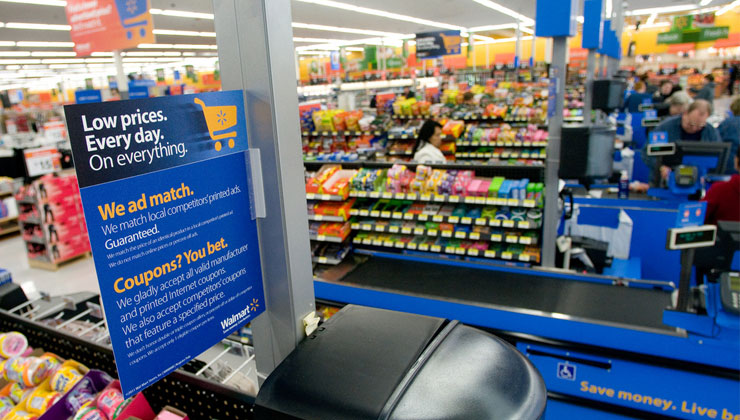
Selling your product to Walmart is one of the most powerful growth opportunities available to consumer product brands — and one of the most misunderstood.
Walmart serves hundreds of millions of customers every week across stores and online. That scale makes Walmart an attractive retail partner, but it also means the company is highly selective about the suppliers it works with and the products it brings into its assortment.
The good news? Walmart is actively looking for new suppliers, innovative products, and brands that can meet its operational standards — including small and mid-sized businesses that are prepared to grow responsibly.
Whether you’re asking “How do I get my product in Walmart?” or “Is my business ready to sell to Walmart?”, this article will help you approach the process with clarity and confidence.
Why Sell to Walmart?
For many consumer brands, Walmart represents more than distribution — it represents scale, discipline, and long-term growth potential. But selling to Walmart is not simply about reaching more customers. It’s about operating at a higher standard.
Unmatched Scale and Reach
Walmart serves hundreds of millions of customers each week across physical stores and digital platforms. That reach is difficult to replicate elsewhere and can accelerate brand awareness and velocity faster than almost any other retail partnership.
A Growth Platform — Not Just a Retailer
Suppliers that execute well often find that Walmart becomes a catalyst for operational maturity. Working with Walmart pushes brands to strengthen:
- Supply chain discipline
- Forecasting accuracy
- Pricing and margin structure
- Data integrity and compliance
- Cross-functional coordination
For many suppliers, Walmart becomes the retailer that forces the business to “grow up” — in a good way.
What Walmart Expects in Return
Walmart’s scale comes with expectations. The retailer prioritizes suppliers who can:
- Execute consistently at volume
- Meet strict operational and compliance standards
- Support everyday low price economics
- Align with Walmart’s sustainability, community, and sourcing priorities
Walmart is not looking for short-term wins or one-off products. It is looking for partners that can grow responsibly over time.
Is Walmart Right for You?
Walmart can be transformational — but it is not the right fit for every brand at every stage. Suppliers that succeed typically arrive prepared, realistic, and committed to execution excellence.
How to Get Your Product in Walmart Stores
Selling to Walmart is not a single application or pitch. It’s a process that requires preparation, patience, and operational readiness.
Below is a modern, streamlined framework for how to sell your product to Walmart in 2026.
1. Decide What Type of Walmart Supplier You Want to Be
Before you apply, you must determine how your product will be sold to Walmart customers. Walmart works with several types of suppliers, but for brands looking to get products into Walmart stores, these are the most relevant paths:
National Product Supplier (In-Store + Online)
National suppliers sell products across Walmart’s brick-and-mortar stores and typically also on Walmart.com. This path requires:
- Strong supply chain capabilities
- Competitive pricing at scale
- Proven demand and velocity
Local Product Supplier
Walmart’s “Store of the Community” initiative allows locally relevant products to be sold in specific regions or markets. This can be an excellent entry point for:
- Regional brands
- Products with local sourcing or relevance
- Smaller suppliers building a track record
Direct Import Supplier
International suppliers can sell directly to Walmart U.S. through its direct import program. This path requires additional compliance, logistics, and documentation but can be viable for established global brands.
Marketplace Supplier
While this article focuses on selling products in Walmart stores, Walmart Marketplace can play an important supporting role.
For many suppliers, Marketplace serves as a low-risk testing ground to validate demand, pricing, content, and fulfillment capabilities — while also building familiarity with Walmart’s systems and expectations.
However, moving into stores involves a separate approval process and significantly higher operational requirements.
2. Prepare Before You Apply
One of the biggest mistakes suppliers make is applying to Walmart before they are ready.
Walmart buyers expect suppliers to arrive with:
- A proven product
- Operational discipline
- A clear understanding of costs, margins, and logistics
Before you apply, ask yourself:
- Can my supply chain scale reliably?
- Is my pricing competitive with Walmart’s everyday low price expectations?
- Do I have the financial stability to support growth?
- Can I meet Walmart’s compliance and data requirements?
Walmart does not want to be 100% of your business. Most successful suppliers have demonstrated traction elsewhere — whether through other retailers, ecommerce platforms, or regional distribution.
3. Apply to Be a Walmart Supplier
If your business is located in the United States, Walmart requires you to apply through its official supplier application process.
You’ll begin by registering through Walmart’s supplier portal and completing the required onboarding steps. This process includes:
Business and Tax Information
- Federal Tax ID (TIN) or appropriate international tax documentation
- Business registration details
- Banking and payment information
Company and Product Details
- Clear product descriptions
- Target categories
- Manufacturing and sourcing information
Compliance and Standards
All Walmart suppliers must meet Walmart’s global standards, including:
- Responsible sourcing requirements
- Product safety and regulatory compliance
- Insurance coverage based on category
Walmart maintains high expectations for suppliers and their manufacturing partners — including subcontractors and packaging facilities.
4. Complete Walmart’s Certification and Supplier Profile
After registration, suppliers complete a certification process that makes their products visible to Walmart merchants.
This step is critical.
Your supplier profile is how buyers discover and evaluate your product. It’s not sent directly to a buyer — it enters a system where merchants search for products that meet their category needs.
Best Practices for Certification
- Use clear, descriptive product names
- Write compelling product descriptions focused on customer value
- Be honest and accurate about capabilities and constraints
- Complete every optional field whenever possible
Think of this as your digital buyer pitch.
5. Wait — and Be Ready
Once your profile is live, suppliers enter a waiting period. Timing varies widely:
- Some suppliers hear back within weeks
- Others may wait months
- Some may not receive a response at all
This does not mean your application failed.
Walmart buyers engage suppliers based on category strategy, timing, assortment gaps, and performance needs — not application order.
If a buyer is interested, they will initiate contact and begin discussions around:
- Pricing
- Logistics
- Terms and conditions
- Onboarding timelines
Patience is not optional when selling to Walmart.
Tips for Selling to Walmart Successfully
Once you’ve applied (or are preparing to), these principles can significantly improve your chances of success.
Align With Walmart’s Strategic Priorities
Walmart places strong emphasis on:
- Sustainability and emissions reduction
- Responsible sourcing
- Community impact
- U.S.-based manufacturing and jobs
If your business supports these initiatives, make it clear — with evidence.
Prove Demand Before You Scale
Walmart looks for products that already resonate with customers. Demonstrating success in:
- Other retailers
- Direct-to-consumer
- Ecommerce marketplaces
…helps de-risk your proposal.
Prepare for Operational Rigor
Selling to Walmart requires discipline across:
- Forecasting
- Inventory management
- On-time, in-full delivery
- Data accuracy
Operational performance matters just as much as product innovation.
Consider Walmart Open Call
Walmart’s annual Made in USA Open Call allows qualifying U.S.-made products to meet buyers directly. This can accelerate visibility — but preparation is still essential.
Selling to Walmart FAQ
How do I get an item into Walmart?
You must apply through Walmart’s supplier application process, complete certification, and be selected by a Walmart buyer based on category needs and readiness.
How hard is it to get your products in Walmart?
It is competitive, but not impossible. Suppliers that succeed are operationally prepared, competitively priced, and aligned with Walmart’s standards and strategy.
How much does it cost to have your products in Walmart?
There is no application fee, but suppliers must absorb costs related to compliance, insurance, logistics, packaging, and operational readiness.
Do I need a DUNS number?
Yes. Walmart requires Dun & Bradstreet registration (i.e., a DUNS Number) for most suppliers.
How long does the process take?
From application to shelf placement can take several months or longer, depending on category, timing, and execution.
Ready to Begin Your Walmart Journey?
Selling to Walmart is not about filling out a form — it’s about building a business that can operate at Walmart scale.
- The most successful suppliers:
- Understand Walmart’s systems and expectations
- Prepare thoroughly before applying
- Invest in operational excellence
- Seek expert guidance when needed
The Bottom Line
Getting your product into Walmart stores can be transformative for your business — but only if you approach it strategically.
Walmart is actively looking for new suppliers, innovative products, and partners that can grow responsibly alongside the retailer. By understanding the process, preparing your business, and aligning with Walmart’s priorities, you can position yourself for long-term success.
At 8th & Walton, we’ve helped thousands of suppliers navigate Walmart’s systems, requirements, and expectations. Whether you’re preparing to apply or scaling an existing relationship, the right guidance can make all the difference.
The post How to Get Your Product in Walmart Stores in 2026 appeared first on 8th & Walton.
20 February 2026, 4:20 pm - Why More Suppliers Are Choosing Fractional Walmart Expertise Over Building In-House Teams
Managing a Walmart account today is no longer a one-role job.
Between supply chain performance, accounting accuracy, retail media, item setup, Walmart.com execution, and an ever-evolving set of systems and initiatives, suppliers are often faced with a tough question:
Do we keep hiring– or is there a smarter way to get the expertise we need?
Increasingly, suppliers are choosing the latter.
The Hidden Complexity of a Walmart Account
On paper, it may seem reasonable to hire a dedicated Walmart account manager. In practice, one person rarely has the depth required across all the areas that matter most to Walmart performance.
A fully effective Walmart team requires expertise in areas like:
- Accounting, deductions, disputes, and chargebacks
- Supply chain execution, forecasting, markdowns, and OTIF
- Retail Link tools, including Supplier One, Scintilla, APDP, APIS, TSCP 2.0, Fix-It, ASN, and more
- Walmart.com item setup, content score, catalog quality, and performance optimization
- Retail media and Walmart Connect activation
- Line review preparation and category strategy
- Walmart initiatives, seasonal planning, and evolving expectations
- Cross-functional communication with Walmart teams (Buyers, Replenishment Managers, Walmart Connect, and Data Ventures)
Building this capability internally typically means multiple hires, months of ramp time, and ongoing risk if knowledge is siloed or lost through turnover.
This is where the idea of a fractional Walmart team comes into play.
The Case for Fractional Walmart Expertise
Rather than relying on a single hire, or slowly building a large internal team, suppliers can access experienced Walmart practitioners who collectively bring deep, cross-functional expertise. For a predictable cost, suppliers gain what would otherwise require several full-time roles.
In short:
- You get senior-level Walmart knowledge without adding headcount
- You reduce execution risk tied to learning curves or turnover
- You gain immediate access to best practices across systems, supply chain, ecommerce, and retail media
The Economics Suppliers Can’t Ignore
Cost is often the unspoken driver behind how suppliers structure their Walmart teams.
Building a fully internal, dedicated Walmart team typically requires multiple roles—account management, supply chain, accounting, ecommerce, and retail media. When salaries, benefits, onboarding, and ramp time are considered, the annual investment often reaches $300,000–$500,000 or more.
A fractional Walmart team, by contrast, allows suppliers to access senior-level expertise across these functions for a fraction of that cost– often in the range of $50,000-$150,000 annually, depending on scope and service tier.
This model doesn’t just reduce spend, it reallocates it toward expertise, speed, and execution discipline. For many suppliers, it’s the only economically viable way to operate at Walmart’s increasing level of complexity without overextending internal resources.
When Suppliers Start Looking for Fractional Walmart Support
Most suppliers don’t seek fractional Walmart expertise proactively. The search usually begins when Walmart’s expectations start to outpace internal capacity.
This moment isn’t always driven by a single issue — it’s often the accumulation of signals that indicate the business has entered a more complex phase.
Common Triggers
Suppliers typically begin exploring fractional support when they encounter situations such as:
- An upcoming modular reset or line review
- Buyer feedback signaling higher expectations or risk
- Increasing deductions, fines, or compliance challenges
- Persistent in-stock, item setup, or OTIF issues
- A broker or agency relationship that lacks transparency
- Internal teams stretched thin across Walmart systems and priorities
Individually, these issues may seem manageable. Together, they often point to a broader capability gap.
Feeling the pressure of growing Walmart complexity?
If your team is hitting a wall — modular resets, OTIF issues, or too many systems — our fractional experts can help you get ahead of it all.
Fill out the form below to explore flexible Walmart support.
What Suppliers Are Realizing
At this stage, teams shift from problem-solving mode to risk management and momentum protection:
- “This feels bigger than the immediate issue.”
- “We can’t afford to lose space or credibility.”
- “We need experienced perspective before this escalates.”
- “We don’t know what we don’t know.”
The question becomes less about fixing a symptom and more about understanding what Walmart is really asking for.
Why Fractional Expertise Fits This Moment
Fractional Walmart support provides:
- Immediate access to experienced Walmart practitioners
- Clear diagnosis of whether issues are episodic or systemic
- Cross-functional perspective across operations, ecommerce, and compliance
- Guidance without forcing premature internal hiring
Rather than reacting to each issue in isolation, suppliers gain a structured way to manage Walmart’s growing complexity.
From Reactive to Strategic
Resolving today’s issue rarely prevents tomorrow’s challenge. Walmart performance is continuous, and expectations evolve quickly.
Suppliers that adopt fractional expertise at this stage are better positioned to anticipate change, prioritize effectively, and scale their internal teams strategically over time — without operating in crisis mode.
Control, Not Compromise
One concern suppliers often raise when considering external support is control.
In many traditional broker or agency models, suppliers lack visibility into day-to-day activity. Communication with Walmart can be fragmented, decisions are made without full context, and critical information doesn’t always flow back to internal teams.
Fractional Walmart expertise works differently.
Suppliers retain full ownership of their business decisions– pricing, assortment, fulfillment strategy, and brand execution– while working alongside experts who integrate directly with internal teams. The goal is not to replace supplier decision-making, but to strengthen it with insight grounded in real Walmart experience.
This transparency and collaboration are increasingly important as Walmart accelerates its use of AI, automation, and data-driven systems. Execution speed, accuracy, and cross-functional alignment matter more than ever, and suppliers need partners who connect the dots, not obscure them.
A Smarter Way to Scale
Fractional expertise isn’t about replacing internal teams—it’s about extending them intelligently.
For many suppliers, it’s the fastest way to stabilize performance today while laying the groundwork for strategic internal hiring tomorrow. As the business grows, teams can selectively bring roles in-house with greater clarity and confidence.
As Walmart continues to raise the bar, suppliers who rethink how they access expertise– not just how many people they hire– will be better positioned to compete, scale, and grow.
Ready to explore a smarter way to scale?
Our team has decades of Walmart experience — from supply chain and ecommerce to accounting and media.
Let’s talk about how fractional support can help you grow with control.
Complete the form below to start a 15-minute conversation.
The post Why More Suppliers Are Choosing Fractional Walmart Expertise Over Building In-House Teams appeared first on 8th & Walton.
4 February 2026, 4:44 pm - More Episodes? Get the App