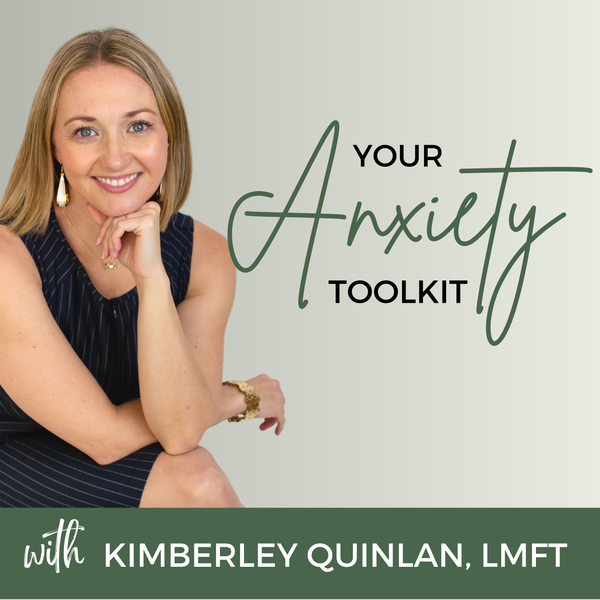
Your Anxiety Toolkit - Anxiety & OCD Strategies for Everyday
Kimberley Quinlan, LMFT
- 17 minutes 30 secondsBonus Episode: OCD Subtypes Explained: Which ONE Is Holding You Hostage?
In this episode, I walk you through the many ways OCD can show up, because it's not just about germs or checking. OCD can attach itself to anything that matters to you, like relationships, health, morality, identity, or past experiences. If you've ever felt confused or alone in your thoughts, I want you to know there's a reason your OCD looks the way it does, and you're not alone in this.
19 March 2026, 4:06 pm - 34 minutes 48 seconds477 When Your OCD Brain Tricks You
This week's episode is a heartfelt and practical conversation about how OCD can change shape over time, the ways it tricks the brain, and the grounding tools that can help you move through fear with more courage and self-compassion.
18 March 2026, 11:00 am - 12 minutes 28 secondsBonus Ep: How to FORGIVE Yourself for Intrusive Thoughts: Self-Compassion for OCD Shame & Guilt
In this episode, we talk about one of the most painful parts of OCD and anxiety: the shame that comes from intrusive thoughts. Many people experience sudden thoughts that are violent, sexual, blasphemous, or completely against their values—and when they do, they often assume it must mean something terrible about them.
17 March 2026, 3:50 pm - 16 minutes 29 secondsHow to SILENCE Your Inner Critic: 3 Self-Compassion Skills To Use IMMEDIATELY 476
In this episode, I walk you through how to retrain your inner critic using science-backed self-compassion skills so you can reduce anxiety, increase resilience, and build a healthier relationship with your own mind.
11 March 2026, 12:00 pm - 20 minutes 34 seconds475 Social Anxiety TRICK: Focus on THIS ONE THING to Instantly Feel More Confident in Groups
In this episode, I share a powerful mindset shift that helps you stop performing in social situations and start connecting, even when anxiety comes along for the ride. If social situations leave you replaying conversations for hours afterward, this episode is going to give you a completely different way to respond.
4 March 2026, 12:00 pm - 20 minutes 2 seconds474 ERP at Home: How to Build an Exposure Plan Without a Therapist
In this episode, I walk you step-by-step through how to build your own exposure and response prevention (ERP) plan so you can start breaking the OCD and anxiety cycle with clarity, courage, and compassion.
25 February 2026, 12:00 pm - 23 minutes 8 seconds473 Mindfulness vs. Distraction: Which is Better for Anxiety & Panic? (A Therapist Explains)
In this episode, I break down the difference between mindfulness and distraction for anxiety so you can stop second-guessing yourself and start responding in ways that actually support long-term recovery.
18 February 2026, 12:00 pm - 35 minutes 39 seconds472 How to make Exposures FUN(ish) with Kimberly Leonte
If you find yourself compulsively Googling symptoms and feeling more anxious than reassured, this episode offers a compassionate, evidence-based 3-step plan to help you break free from cyberchondria and health anxiety.
11 February 2026, 12:00 pm - 24 minutes 5 seconds471 STOP Googling Symptoms: The 3-Step Plan to End Cyberchondria & Health Anxiety
If you find yourself compulsively Googling symptoms and feeling more anxious than reassured, this episode offers a compassionate, evidence-based 3-step plan to help you break free from cyberchondria and health anxiety.
4 February 2026, 12:00 pm - 18 minutes 42 seconds470 5 Things to ask yourself when you have anxiety
In this episode, I share five simple, science-based questions you can ask in moments of anxiety to help you respond skillfully—without feeding rumination, avoidance, or fear.
28 January 2026, 12:00 pm - 19 minutes 41 seconds469 How to Stop Overthinking EVERYTHING (Even If You Can't Control It)
In this episode of Your Anxiety Toolkit, Kimberley Quinlan breaks down why overthinking feels so necessary—and shares practical, compassionate tools to help you stop ruminating and get back to living your life.
21 January 2026, 12:00 pm - More Episodes? Get the App